
AEROSPACE + DEFENSE / SPACE / SPACE SOLUTIONS
RF Filters for Space
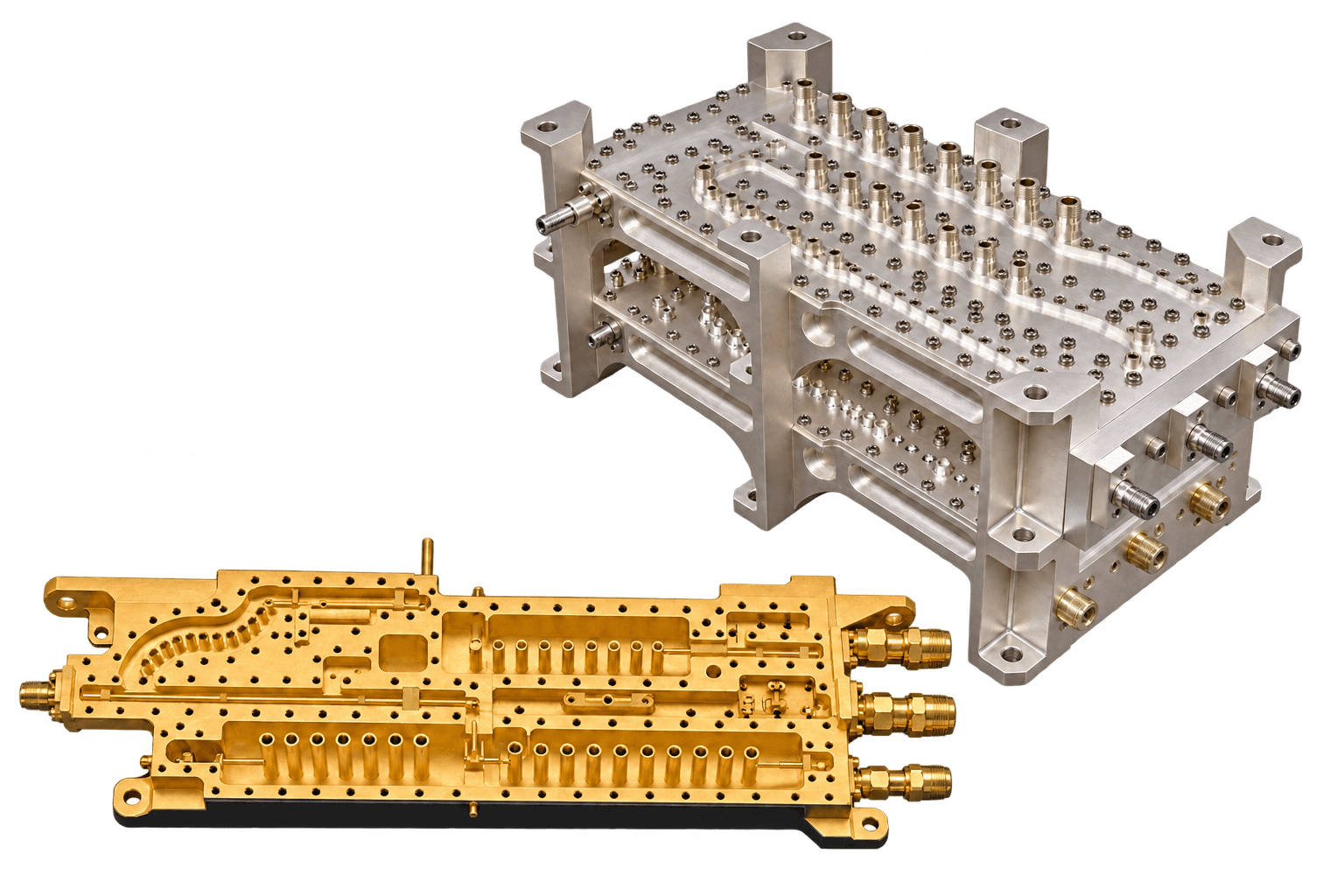
Spectrum Control designs and manufactures RF and microwave filters for satellite communications, navigation, scientific instruments, and other space systems. Our capabilities include custom filters, diplexers, and multiplexers using cavity, lumped element, SAW, ceramic, waveguide, and suspended substrate technologies to meet application-specific filtering requirements.
We help engineers balance insertion loss, rejection, bandwidth, power handling, and package size within the constraints of each mission. From technology selection and custom packaging to electrical verification and environmental testing, our teams support solutions aligned with system integration and program reliability requirements.
Capabilities at a Glance
-
Multiple Filter Technologies: Match performance and size requirements.
-
Custom Frequency Responses: Tailor bandwidth, rejection, and selectivity.
-
Low Loss & High Rejection: Preserve signals, suppress interference.
-
Diplexers & Multiplexers: Combine or separate bands.
-
Flexible Integration: Surface-mount, connectorized, and custom options.
-
Environmental Testing: Screening aligned with design requirements.
Designed for Space Applications
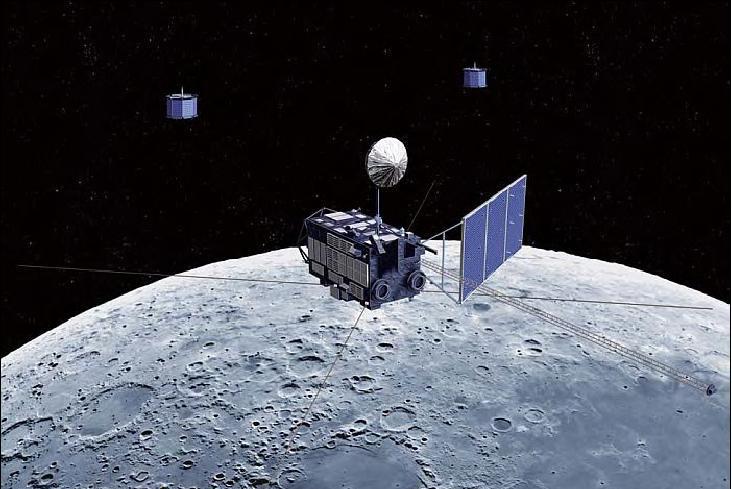
Space RF systems must isolate desired signals and reject interference while meeting demanding size, weight, power, and thermal requirements. Engineers must balance insertion loss, selectivity, bandwidth, and power handling while accounting for launch conditions and the mission’s operating environment. Spectrum Control helps address these trade-offs through multiple filter technologies, custom frequency responses, and application-specific packaging. We work with customers to align electrical performance, mechanical integration, and environmental testing with program requirements.
 Preserve Receiver Sensitivity: Minimize signal loss.
Reject Unwanted Signals: Suppress interference, harmonics, and out-of-band energy.
Manage Multiple Bands: Separate or combine channels with diplexers and multiplexers.
Support Thermal Stability: Select designs that limit frequency drift over temperature.
Simplify Integration: Match filter technology and packaging to available space.
Meet Mission Requirements: Align design and testing with the operating environment.
Key Performance
|
Feature
|
Specification |
|
Frequency Coverage
|
Up to 40 GHz, depending on technology |
| Insertion Loss | As low as 0.1 dB, cavity designs |
| Power Handling | Up to 400 W, cavity designs |
| Temperature Drift | Less than 1 ppm/°C, selected cavity designs |
| Shape Factor | Below 1.1:1, selected SAW designs |
| Published filter portfolio capabilities. Values vary by technology and design and are not necessarily available together. Suitability and qualification for space applications require review against mission requirements. | |
Product Options & Customization
Spectrum Control offers RF filter technologies and custom configurations to match electrical performance, packaging, and integration requirements. We help engineers select the filter response and topology that balance signal selectivity, insertion loss, power handling, and size, with testing requirements reviewed for each space application.
| Option | Available Capabilities |
| Filter Response | Bandpass, lowpass, highpass, and notch designs for signal selection and interference rejection. |
| Filter Technology | Cavity, lumped element, SAW, ceramic, waveguide, and suspended substrate options. |
| Frequency & Bandwidth | Tailor operating frequency and passband width to the required signal spectrum. |
| Insertion Loss & Rejection | Balance signal preservation, stopband attenuation, and transition sharpness. |
| Power & Thermal Stability | Review power handling and frequency stability against operating conditions. |
| Multiband Configurations | Diplexers, triplexers, and multiplexers to combine or separate frequency bands. |
| Packaging & Mounting | Surface-mount, connectorized, and custom housings to fit system interfaces. |
| Screening & Qualification | Define environmental testing, electrical verification, and documentation needs. |
|
Customization options depend on the selected technology and design. Final performance, packaging, and qualification requirements are confirmed through engineering review. |
|
Qualification & Screening
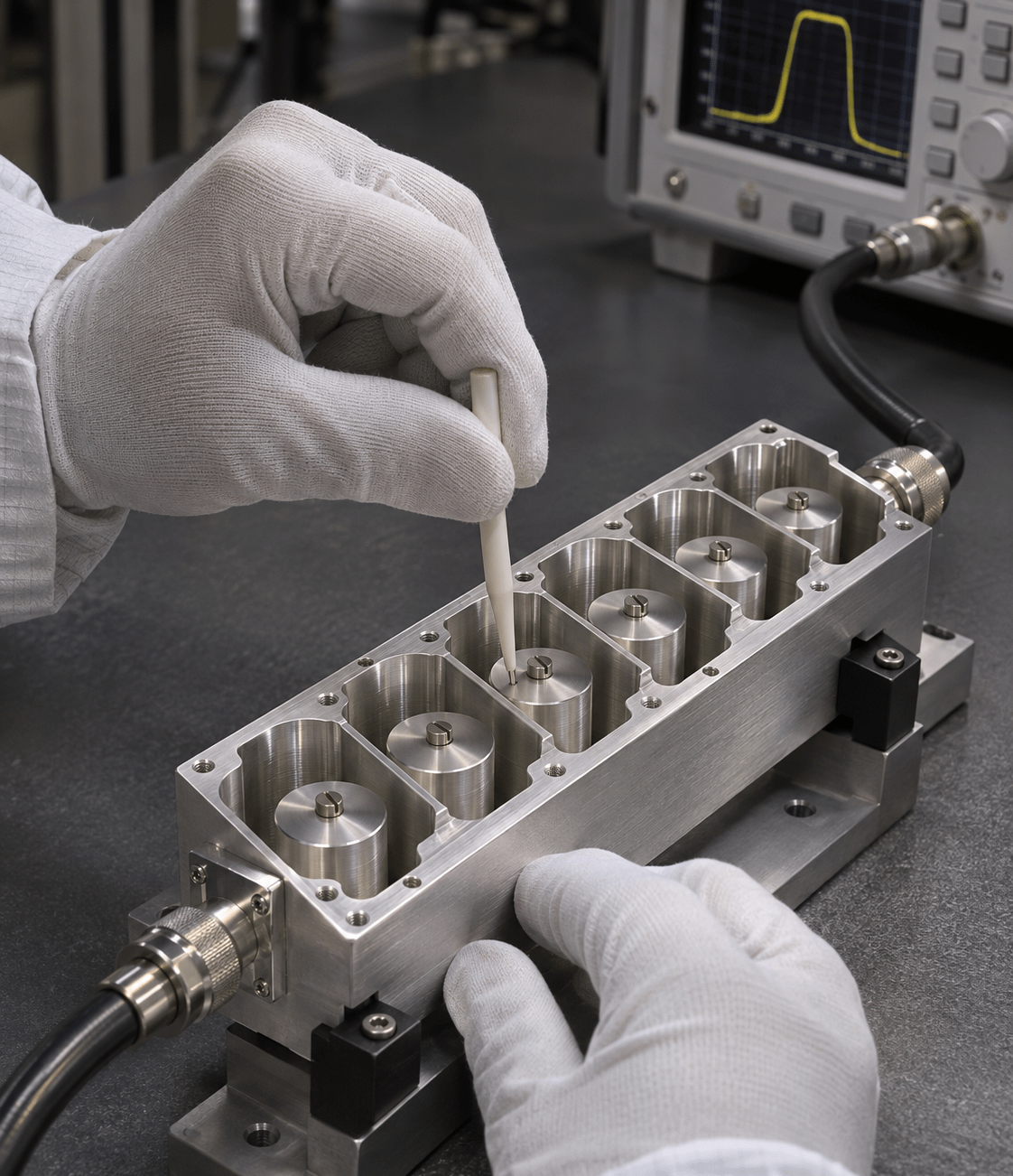
RF filter qualification and screening should reflect the mission’s environment, reliability goals, and program requirements. Spectrum Control works with customers to define testing based on filter technology, construction, and application needs. Capabilities include electrical verification, thermal cycling, and shock and vibration testing. Available activities depend on the selected design and manufacturing location, with acceptance criteria and documentation aligned to program needs.
-
Mission-Specific Screening: Align test conditions and acceptance criteria with program needs.
-
Electrical Verification: Evaluate insertion loss, rejection, bandwidth, and impedance matching.
-
In-House Testing: Review thermal cycling, mechanical shock, and vibration requirements.
-
Qualification Planning: Define the test sequence and documentation early in development.
Space Applications. Proven Expertise.
Typical Applications
-
Satellite payload channel filtering
-
Receiver front-end preselection
-
Transmitter harmonic suppression
-
Multiband signal separation
-
Navigation signal filtering
-
Earth observation sensor receivers
- Scientific instrument signal conditioning
- Spacecraft interference mitigation
Why Choose Spectrum Control?
-
Multiple filter technology options
-
Custom passband and rejection profiles
-
Low insertion loss designs
-
Temperature-stabilized filter options
-
Integrated diplexer and multiplexer designs
-
Compact packaging and assembly expertise
-
Electrical and environmental test capabilities
-
Engineering guidance on filter trade-offs
Discuss Your RF Filters Requirements
Tell us about your center frequency, passband and rejection requirements, insertion loss target, power handling, and packaging needs. include mission details and screening or qualification requirements so our engineering team can help identify a suitable filter solution.