Attenuators

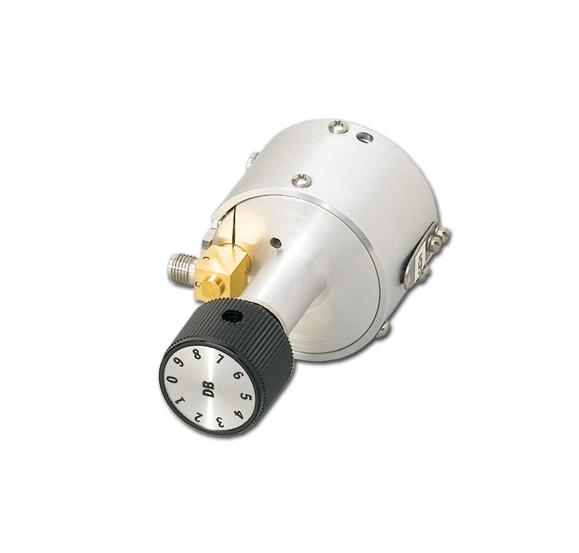
Low Power Coaxial Attenuators
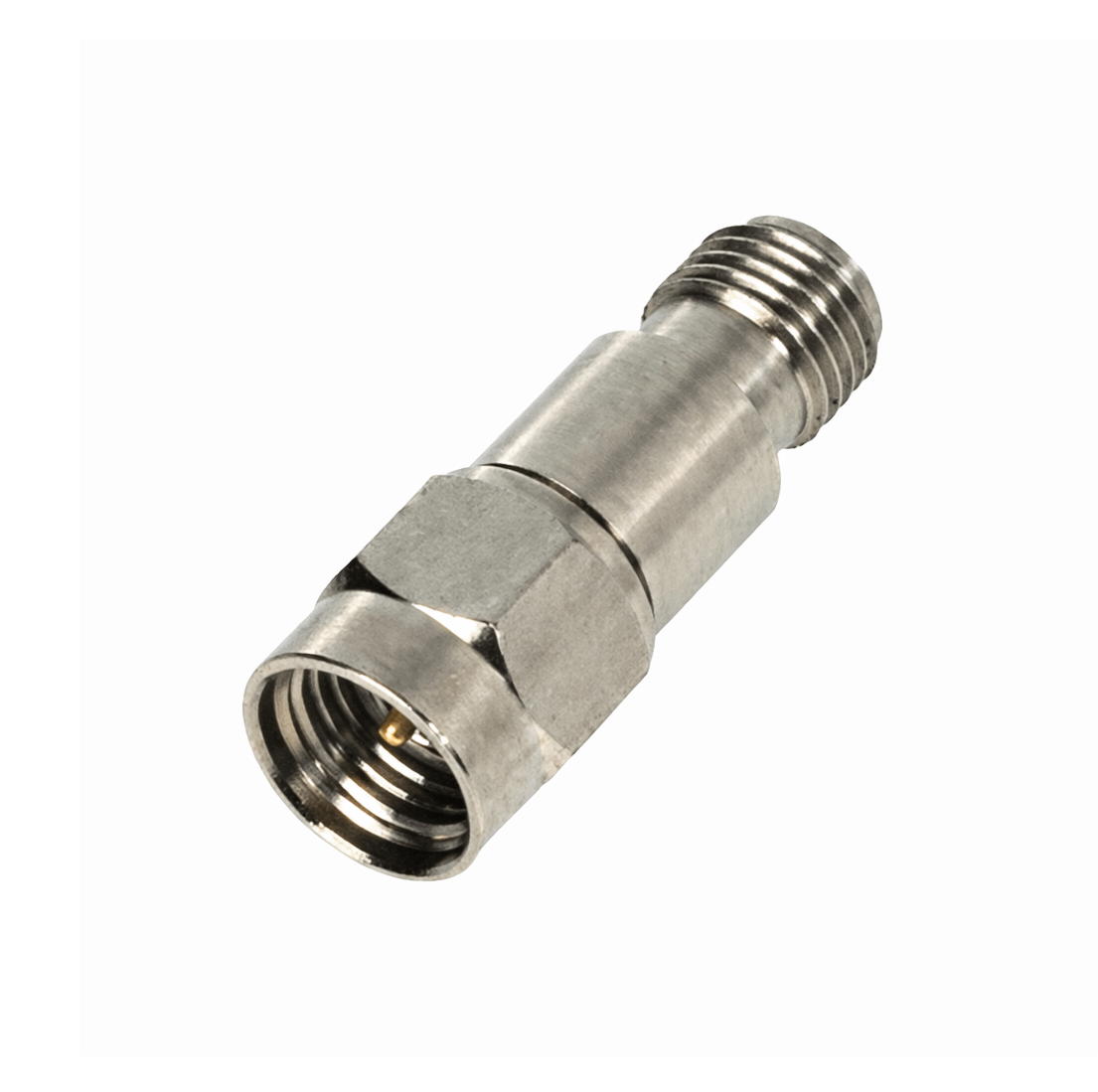
Low-VSWR (1.1:1) coaxial attenuators deliver ultra-flat performance (±0.5 dB) with up to 5 W power handling and operation to 50 GHz.
Medium Power Coaxial Attenuators
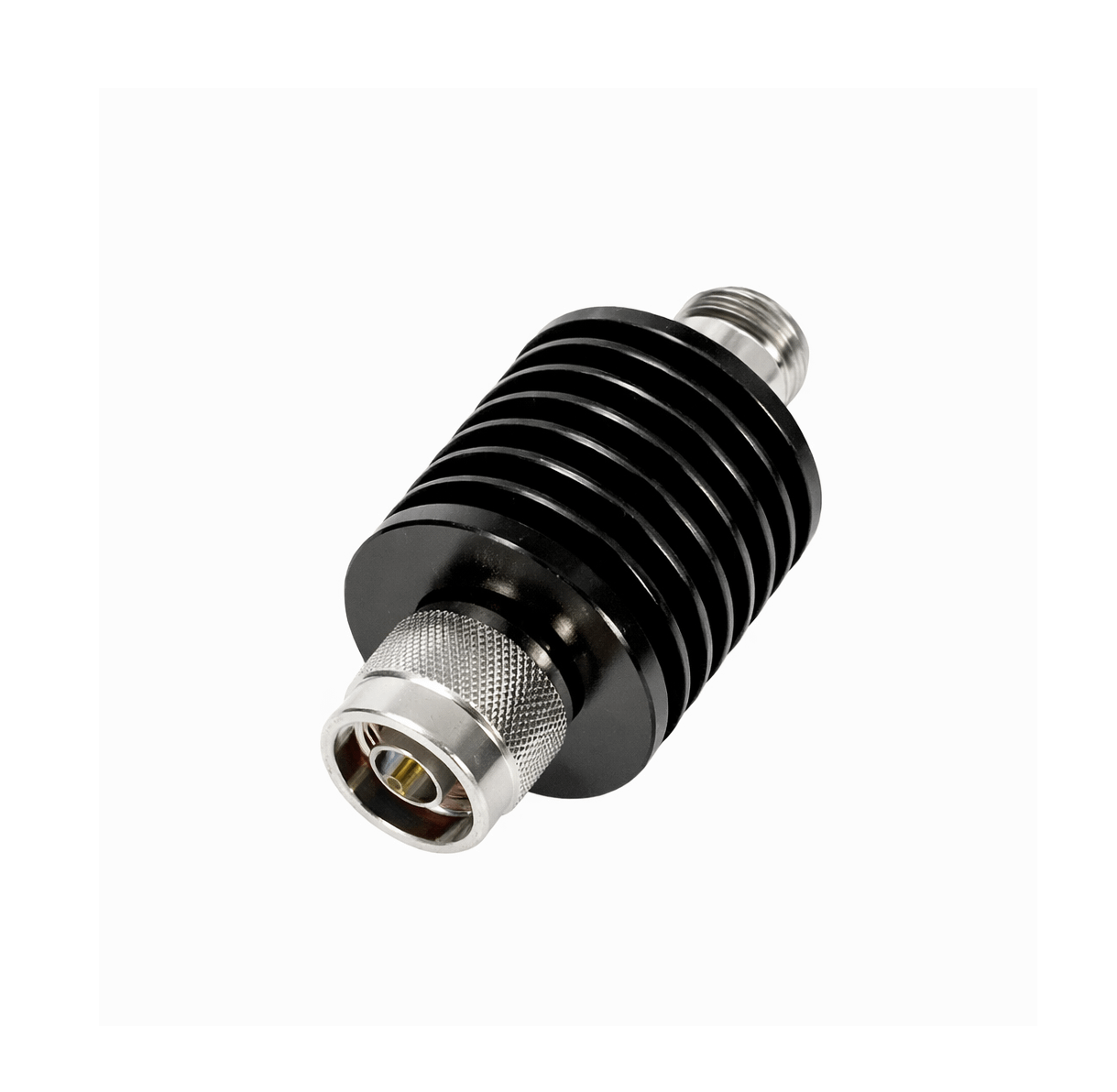
Ultra low-VSWR (1.1:1) medium-power coaxial attenuators deliver superior flatness (±0.6 dB) with up to 50 W power handling and operation to 40 GHz.
High Power Coaxial Attenuators
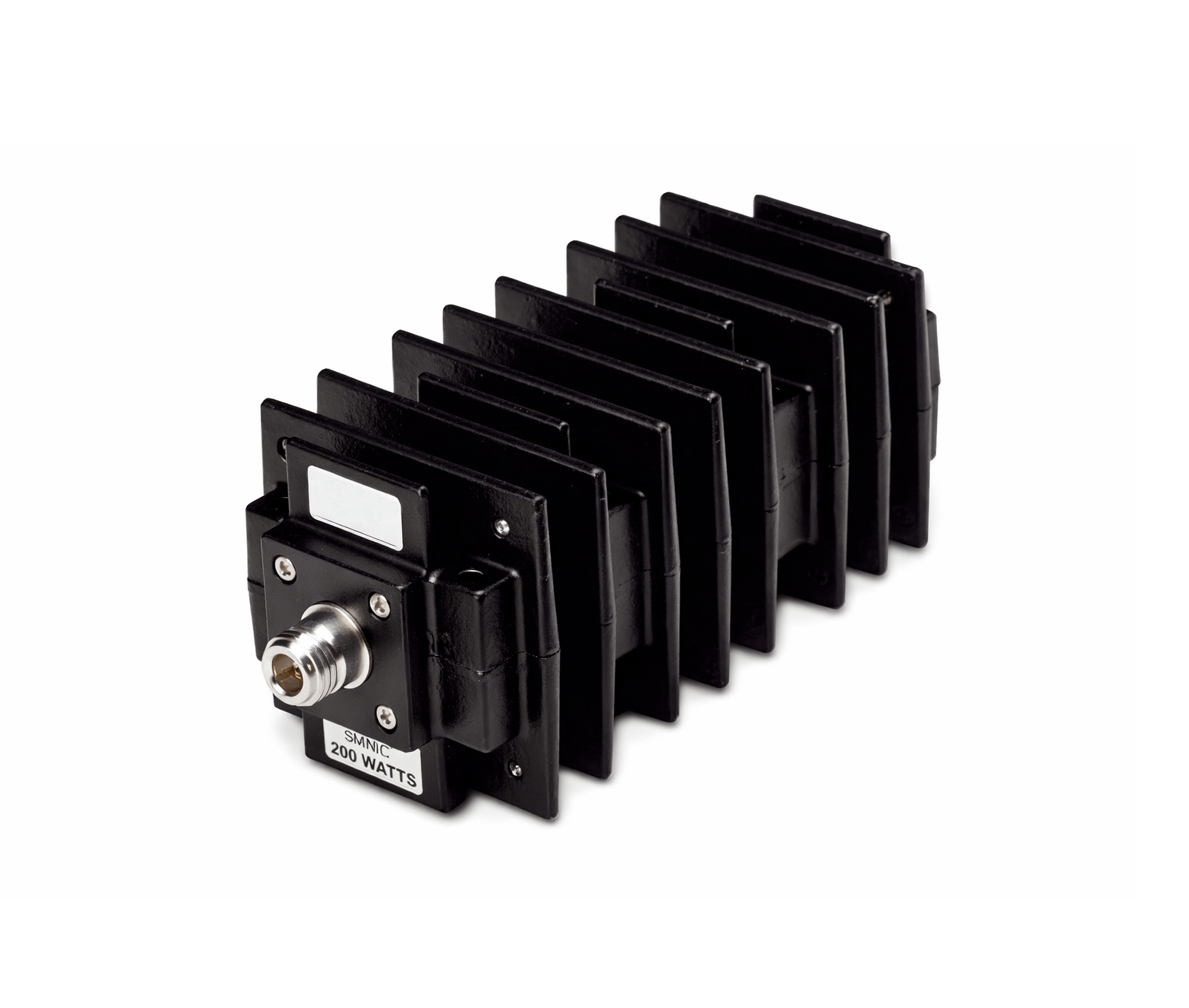
Ultra low-VSWR (1.1:1) high-power coaxial attenuators deliver superior flatness (±0.6 dB) with up to 500 W power handling and operation to 18 GHz.
Chip Attenuators
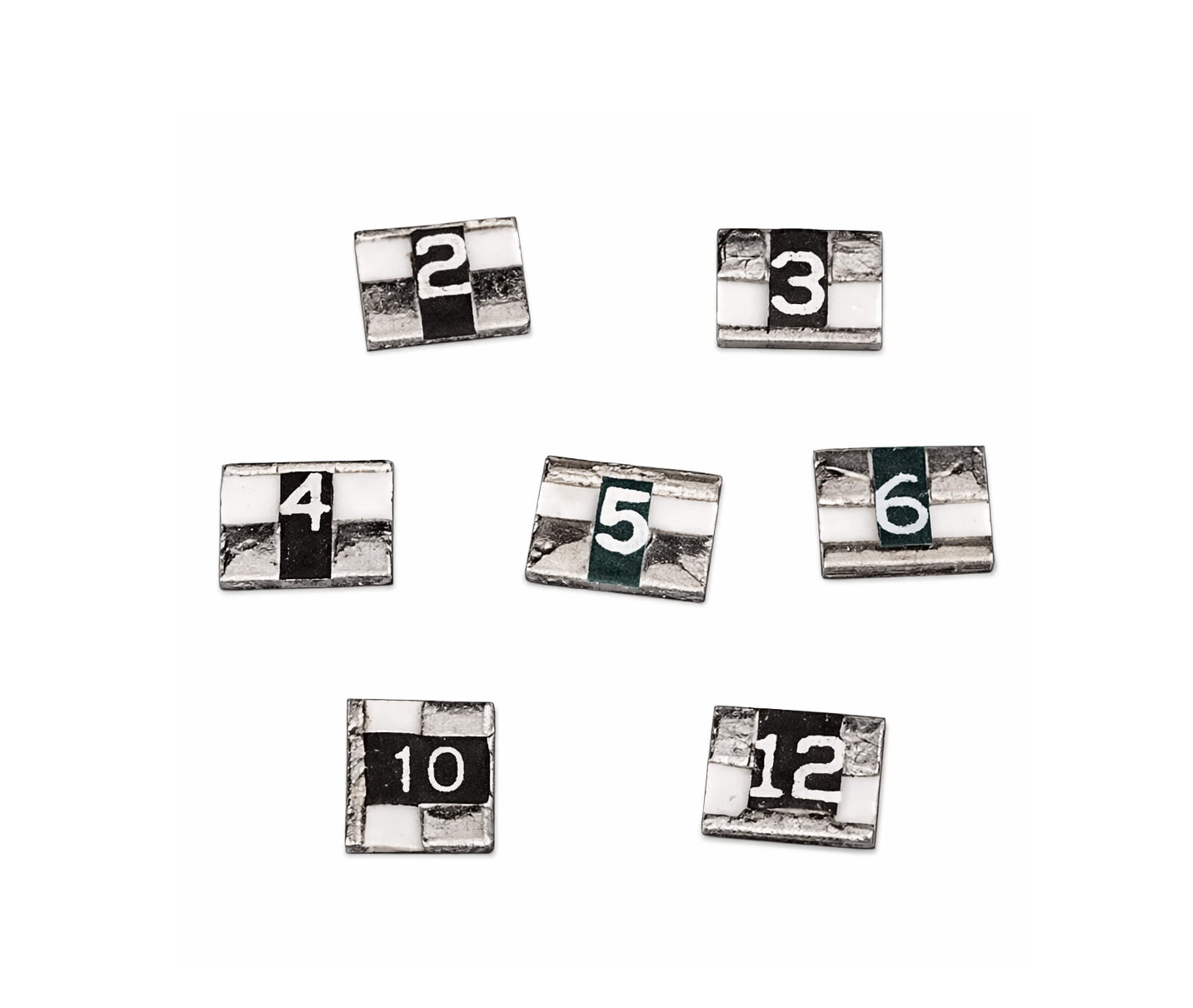
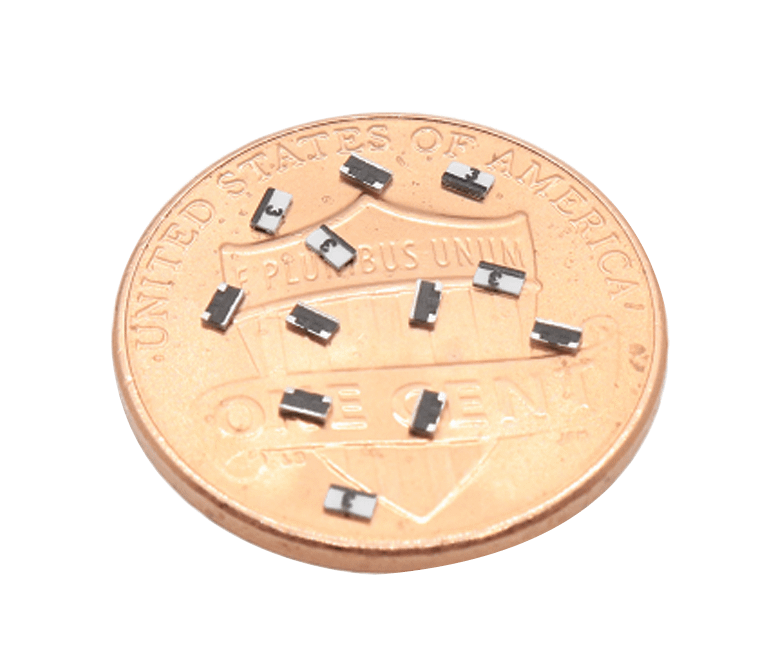
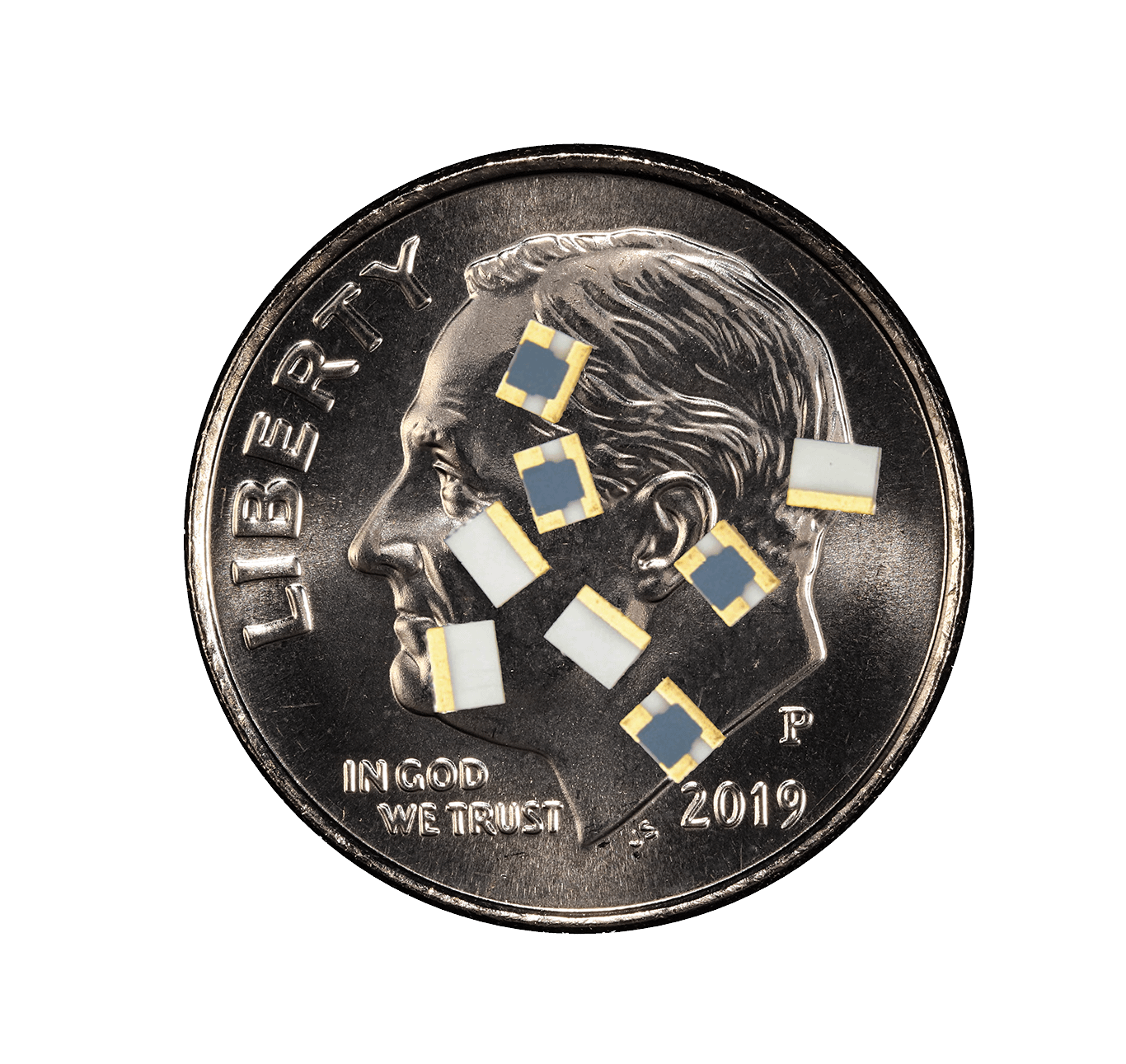
Chip Attenuators
Exceptionally low-VSWR (1.1:1) solutions are available in 1,200+ models, delivering ultra-flat performance (±0.3 dB), high stability, up to 100 W power handling, and operation to 40 GHz.
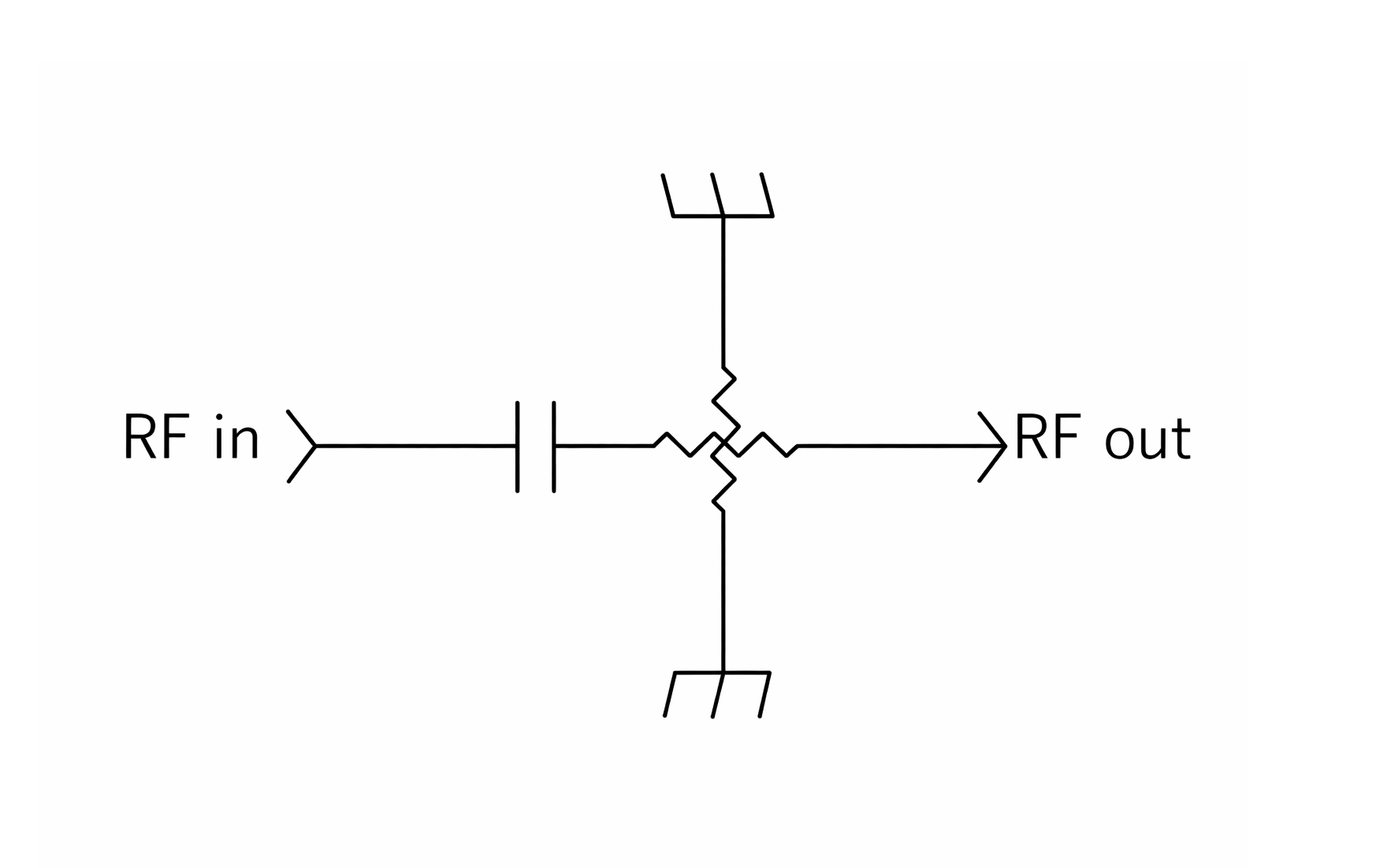
DC Blocking Attenuators
Ultra-flat DC blocking attenuators deliver industry-leading VSWR (1.15:1) with a 200 V rating and ultra-flat performance (±0.3 dB).
Cryo-Low Temp Coaxial Attenuators
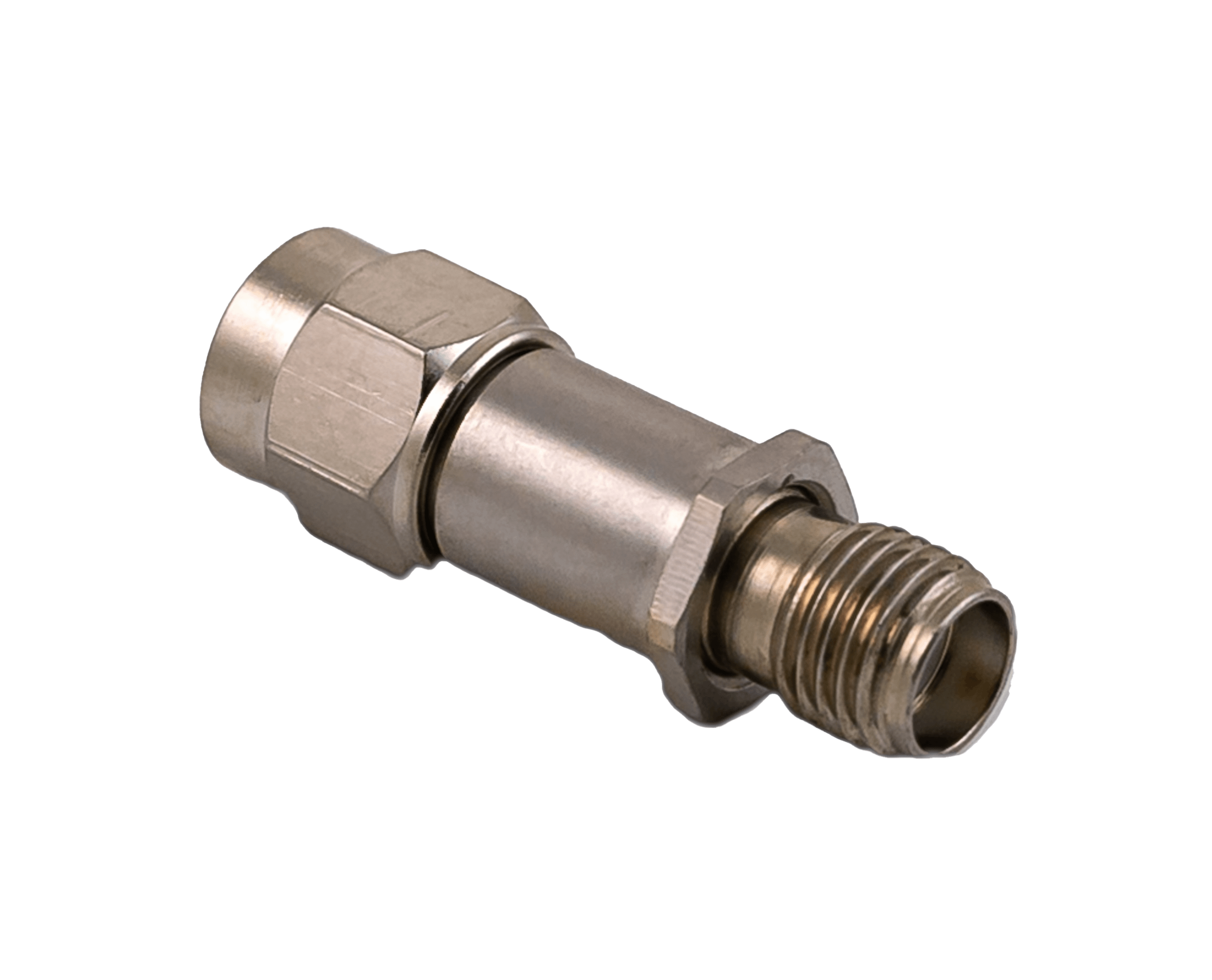
Ultra low-VSWR (1.1:1) cryogenic coaxial attenuators provide up to 30 dB attenuation with operation to 40 GHz and a temperature range of 0.004 K to 125°C.
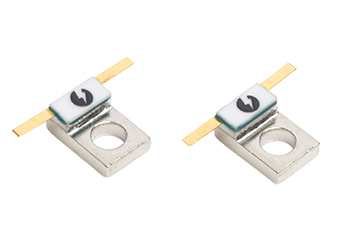
Flange Mount Attenuators
Industry-leading performance and value, with low VSWR (1.2:1), ultra-flat response (±0.3 dB), and up to 100 W power handling.
Manual Step Attenuators
For applications demanding broadband accuracy with low SWR and accurate repeatability over large attenuation ranges.
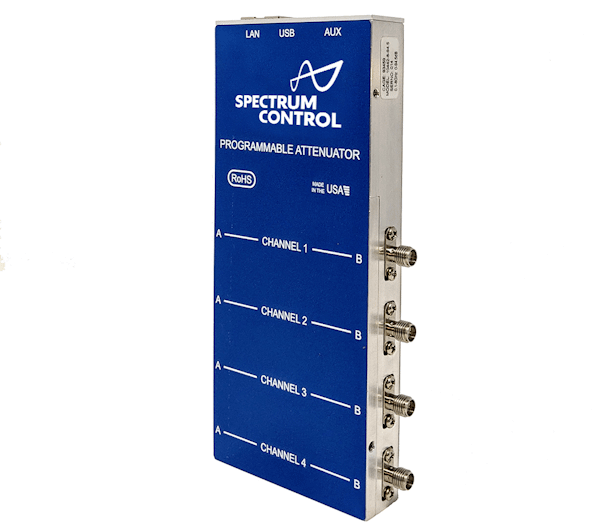
Programmable Attenuators
Weinschel programmable attenuators are available in solid-state, mechanical relay and edge-line designs, with up to 8 channels.

An RF attenuator is a passive device used to reduce signal power in a controlled manner while maintaining impedance matching and minimizing distortion in an RF system.  These devices are essential in RF and microwave systems where precise signal control, impedance matching, and measurement accuracy are critical.  Spectrum Control RF attenuators are engineered to deliver precise signal reduction while preserving signal integrity across demanding RF and microwave systems. In applications ranging from 5G infrastructure and radar systems to laboratory test environments, coaxial and chip attenuators play a critical role in controlling signal levels, protecting sensitive components, and ensuring accurate measurements.

Technical Questions

How does an RF attenuator work?

RF attenuators reduce signal amplitude by dissipating power as heat through resistive elements while maintaining a constant impedance. This ensures that signal levels are reduced without introducing significant reflections or distortion into the RF signal path.

An effective RF attenuator must do more than simply reduce amplitude—it must maintain a clean, reflection-free signal path. One of the most important parameters in achieving this is Voltage Standing Wave Ratio (VSWR), which directly impacts how much signal is reflected back toward the source. Poor VSWR performance can introduce unwanted reflections, leading to amplitude ripple, phase distortion, and misleading system behavior that complicates troubleshooting and degrades overall performance.

Spectrum Control’s ultra-low VSWR coaxial attenuators are engineered to minimize these effects, achieving VSWR as low as 1.1:1 and attenuation flatness of ±0.5 dB across the operating band. With frequency coverage up to 50 GHz and power handling up to 5 watts, these attenuators support a wide range of high-frequency and high-reliability applications. Designed for harsh environments, they operate across extended temperature ranges from -65°C to +125°C, making them suitable for military, aerospace, and other mission-critical systems

By combining low reflection performance, thermal stability, and consistent attenuation, these attenuators help preserve phase linearity and spectral purity—ensuring that RF systems perform as intended without introducing unintended signal artifacts.

To select the right RF attenuator, it’s important to understand the key performance parameters that directly impact system behavior and reliability.  When selecting an RF attenuator, several factors should be considered, including attenuation level, frequency range, VSWR, flatness, and power-handling capability.

diamond.jpg Attenuation Level: Determine how much the signal must be reduced.
diamond.jpg Frequency Range: Select an attenuator with a bandwidth wider than your operating signal to avoid distortion near the band edges.

diamond.jpg Power Handling: Choose an attenuator rated at least 25% above your maximum input power to provide protection against spikes and ripple.

diamond.jpg Impedance and VSWR: Ensure the impedance, whether 50 or 75 ohms, matches your system exactly. High VSWR can create reflections that may damage active components in the signal chain.

diamond.jpg Flatness: Choose a pad with a flat response across the operating band. Poor flatness can distort the waveform and increase bit error rates (BER).


How do you choose the right RF attenuator?

Selecting the right RF attenuator involves balancing electrical performance with application requirements:

  1. Define power requirements: Include margin above maximum input power.
  2. Confirm frequency range: Ensure consistent performance across the full band.
  3. Select attenuation value: Based on signal conditioning or protection needs.
  4. Evaluate VSWR and flatness: Prioritize signal integrity.
  5. Consider environmental conditions: Use qualified components for harsh environments.

How do I choose the right RF attenuator

RF attenuators are available in several configurations, each optimized for specific power levels, frequency ranges, and applications:

Attenuator Type Frequency Range Max Power Typical Connectors Key Application
Low Power Coaxial Attenuators DC to 50 GHz Up to 5 Watts SMA, N-Type Test & Measurement
Medium Power Coaxial Attenuators DC to 40 GHz 5 to 50 watts SMA, 2.92mm Test & Measurement
High Power Coaxial Attenuators DC to 40 GHz Up to 150 Watts N-Type, 3.5mm, 2.92mm Transmitters, Radar
Chip Attenuators DC to 40 GHz Up to 150 Watts SMD, Die, SMT, Flange Amplifiers, CCAs, PCBs
Cryogenic Attenuators DC to 40 GHz Up to 2 Watts SMA, 2.92mm Quantum Computing
Multi-Channel Programmable Attenuators DC to 26.5 GHz Up to 1 Watt SMA, 3.5mm, 2.92mm Test and Measurement


What attenuation do I need for my application?

Attenuation selection should always take a conservative approach when choosing the attenuator value. If the incident signal to the pad is increased by a transmit reflection or a degraded limiter, it could exceed the estimated incident attenuation power level. Protecting an expensive network analyzer should drive your decision when selecting a pad. A good rule of thumb is to choose a value 10 dB below the maximum rated input value.

The same thought process applies when selecting a pad in front of a receiver. If the amplitude is too high, it can cause signal distortion or loss of fidelity. Pads can also be used to stabilize cascaded amplifiers in series, preventing oscillation issues. During those selection reviews, for a small-signal design, a ¼ dB to 1 dB pad between amplifiers is usually sufficient to prevent oscillations and preserve multi-stage stability.


What attenuation do I need for my application..JPG

What is attenuation flatness across frequency?

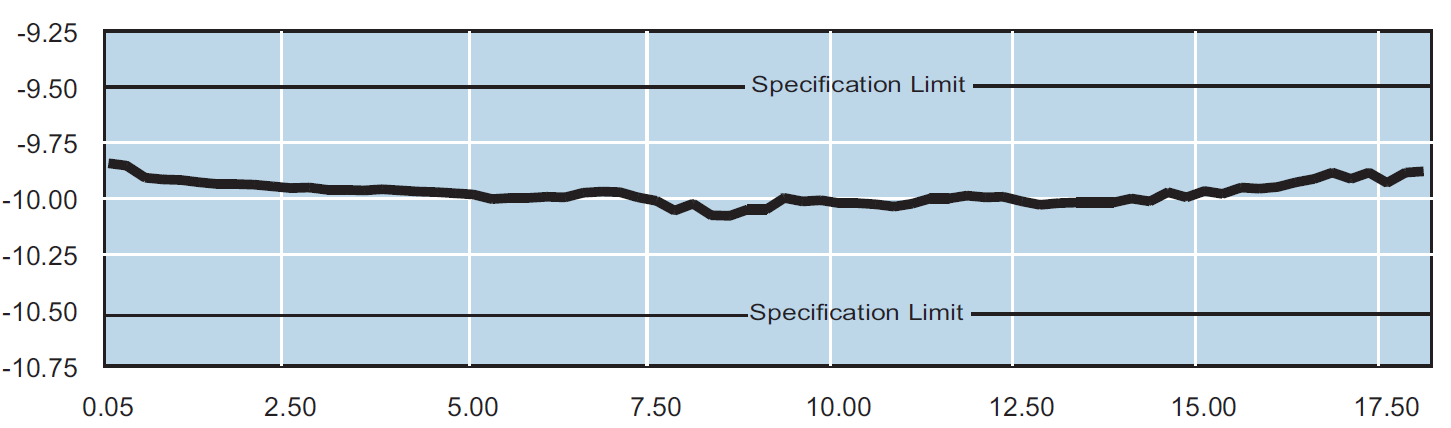
Attenuation flatness, also called attenuation response, describes how consistently a pad performs across its specified frequency range. In practice, attenuation varies with frequency. Ideally, an attenuator reduces signal amplitude by the same amount across the entire operating band. When flatness is poor, the output can become inconsistent, leading to inaccurate test and measurement results, unreliable calibration data, or false DUT failures if readings appear stable in one frequency band but vary in another.

What is attenuation flatness across frequency

What specifications matter most when selecting an attenuator?

When selecting an RF attenuator, several factors should be considered, including attenuation level, frequency range, VSWR, flatness, and power-handling capability.

  • Attenuation Level: Determine how much the signal must be reduced.
  • Frequency Range: Select an attenuator with a bandwidth wider than your operating signal to avoid distortion near the band edges.
  • Power Handling: Choose an attenuator rated at least 25% above your maximum input power to provide protection against spikes and ripple.
  • Impedance and VSWR: Ensure the impedance, whether 50 or 75 ohms, matches your system exactly. High VSWR can create reflections that may damage active components in the signal chain.
  • Flatness: Choose a pad with a flat response across the operating band. Poor flatness can distort the waveform and increase bit error rates (BER).

What specifications matter most when selecting an attenuator

How does frequency range impact attenuator performance?

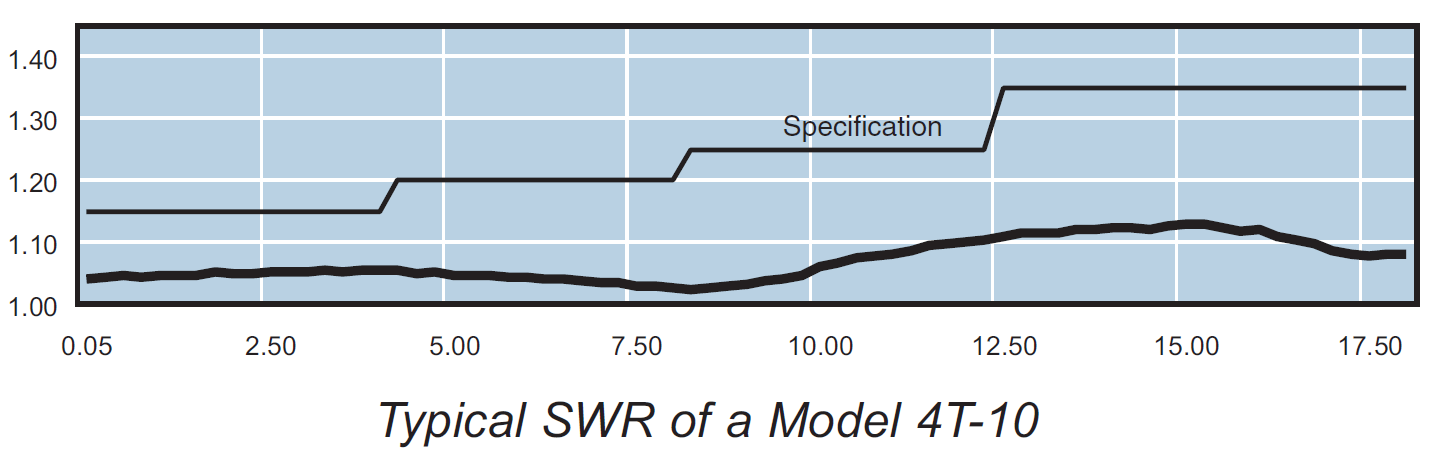
Frequency can significantly influence attenuator selection, particularly in wideband designs where VSWR performance is important. As an attenuator operates closer to its band edges, parameters such as VSWR may begin to change. For example, the Model 23A operates from DC to 23 GHz and maintains an exceptionally low VSWR of 1.05:1, rising only slightly to 1.35:1 in the 12 to 18 GHz range.

Reviewing datasheet curves and plots is essential for understanding performance across frequency. At higher frequencies, impedance mismatch can create reflections that introduce phase distortion. Near the top of the operating band, those reflections may interfere with the incident signal, increase bit error rates, and reduce signal-to-noise ratio.

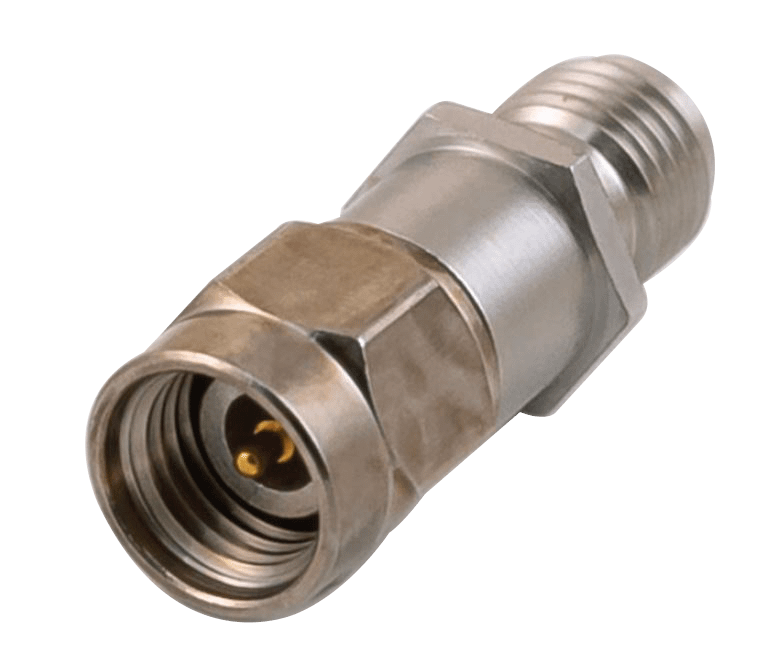
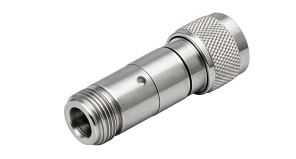
Cryo attenuator, model 9104

DC-40 GHz cryo attenuator with 2.92mm connector (Model 9104)