
SAW Filters
Spectrum Control SAW filters deliver exceptional low-loss performance in a cost-effective design. With insertion loss as low as 2 dB and shape factors below 1.1:1, these industry-leading filters provide superior performance at competitive prices. The combination of sharp selectivity and cost-effectiveness ensures customers receive a solution that outperforms alternative offerings without exceeding budget requirements.
Visit our SAW filter customization tool to help optimize your demanding filter requirements today.






SAW Filter Technology
Compact, High-Performance RF Filtering Solutions
Design Capabilities
 Gold wire bonds on all ball bonds reduce insertion loss
Silicon thermoset resin dampens stray acoustic energy and reduces distortion
Shape factors below 1.1:1 provide sharp selectivity
Fractional bandwidths up to 60% support wideband applications
100% tested and pre-aged at 100°C for proven reliability
Superior group delay performance, as low as 8 ns unit-to-unit
High-power SAW filters handle up to +35 dBm CW input power at +125°C
Operating frequencies up to 1600 MHz support military and commercial markets
Input Power vs. Frequency
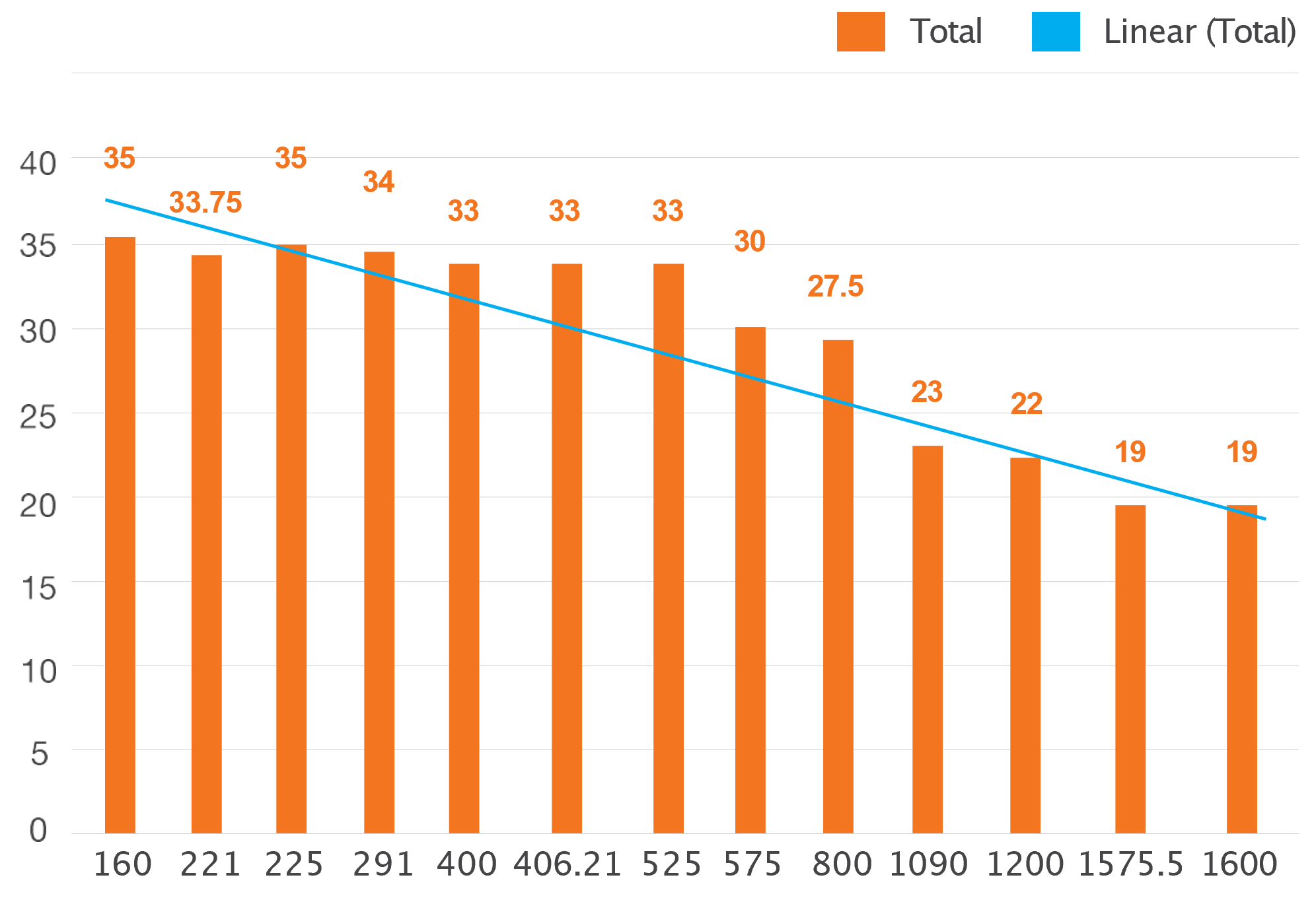
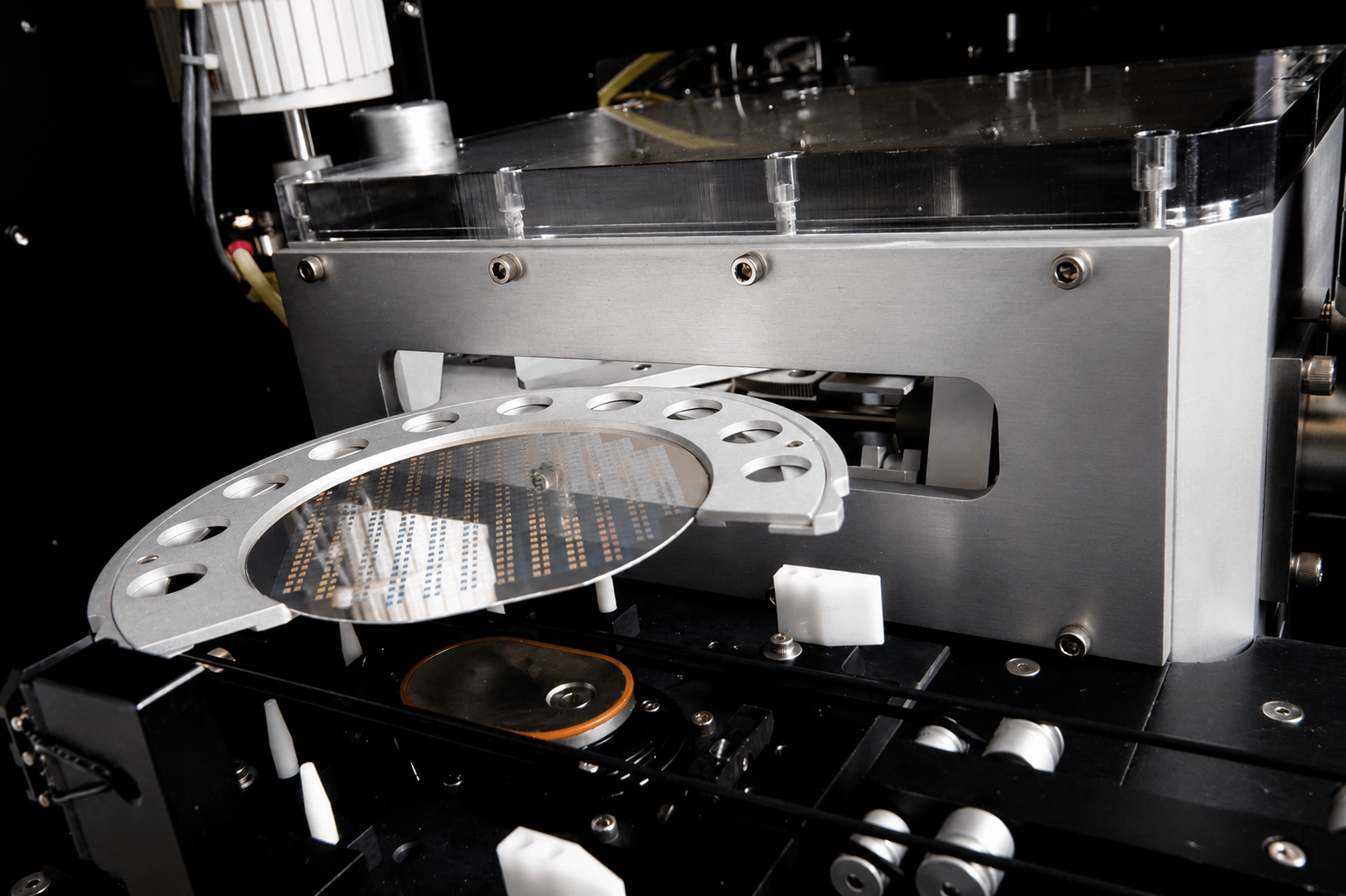
Image: modern stepper imaging
Spectrum Control’s SAW filters leverage modern stepper imaging technology, enabling finger widths as small as 0.35 microns. This precise geometry control delivers superior insertion loss performance and supports operation at frequencies up to 1600 MHz, meeting the demands of today’s most challenging military and commercial RF systems.
High-Frequency Lithography
Modern stepper imaging technology enables precise feature control, supporting high-frequency performance and consistent filter characteristics.
100% Pre-Aging
Spectrum Control ensures that all SAW filters are pre-aged at 100°C. This critical stabilization step locks in center frequency performance to within 0.0005%.
100% Pre-Aging
Every SAW filter undergoes a 100°C pre-aging process, a critical stabilization step that locks in center frequency performance to within 0.0005%. This rigorous conditioning helps minimize frequency drift over time and ensures long-term stability and consistent performance. Customers can rely on predictable filter operation even after deployment in demanding military and commercial RF environments.
Hermetic Sealing
Spectrum Control uses hermetic seam sealing to provide a reliable seal and stable internal environment for sensitive package contents. This process helps protect critical components from moisture and environmental contaminants, supporting long-term reliability in demanding applications. Our hermetic sealing process meets the requirements of MIL-STD-883, Method 1014, Conditions A and C.

Image: 100°C pre-aging process
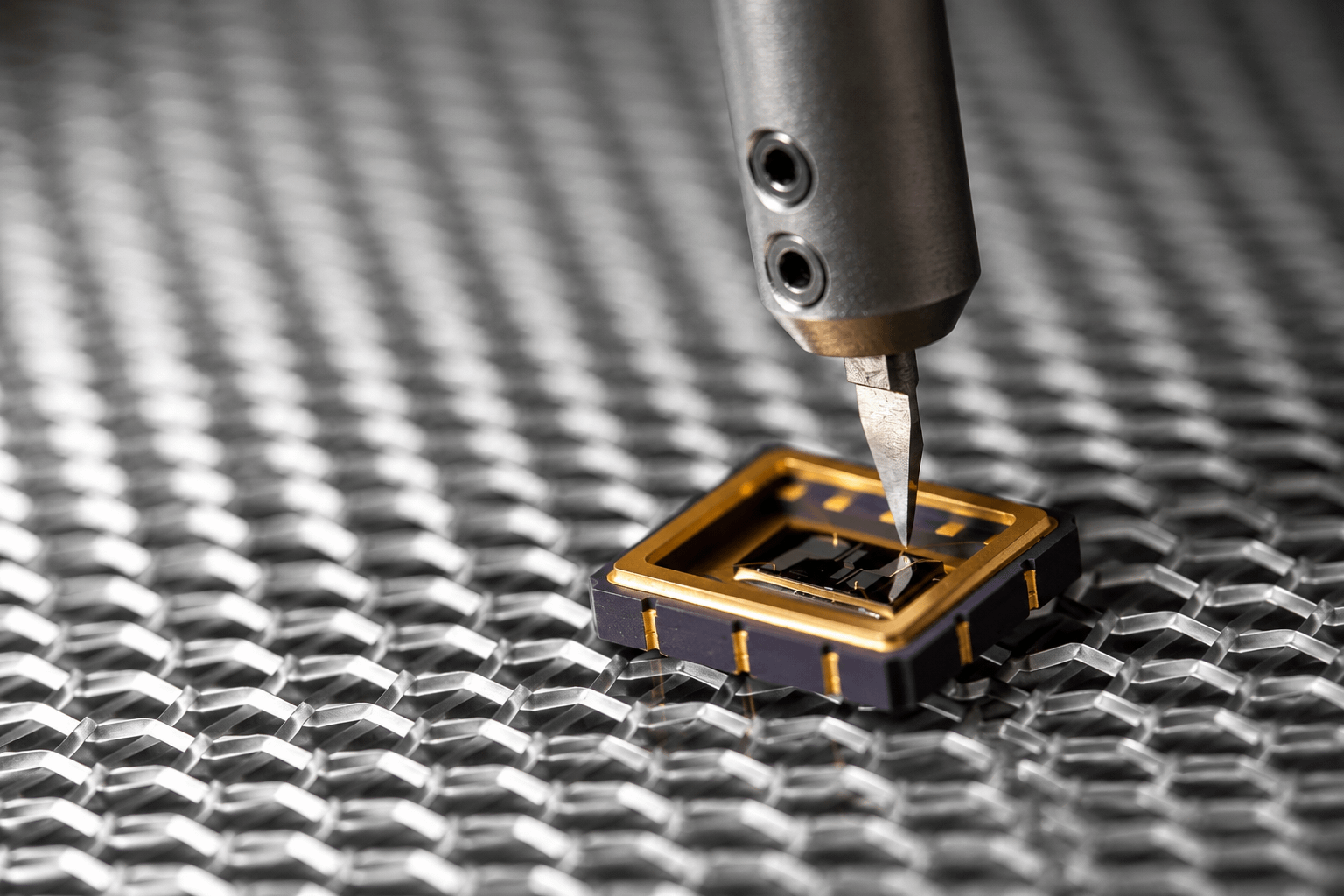
Image: gold wire on all ball bonds
Gold Wire Bonding & Acoustic Damping
Spectrum Control uses gold wire on all ball bonds, paired with a silicon-based thermoset resin that dampens stray acoustic energy and reduces signal distortion within the passband. Together, these techniques help minimize insertion loss, preserve signal integrity, and maintain consistent performance across the filter’s full operating bandwidth.
Innovative Materials Formula
Spectrum Control developed a proprietary materials formula that, combined with an additional lightweight aluminum layer, improves thermal conductivity at higher power levels. This innovative construction helps dissipate heat more effectively while maintaining wide bandwidth and low insertion loss, enabling reliable performance in demanding high-power RF applications.
Hermetic Seam Sealing
Filters and oscillators are hermetically seam-sealed to meet MIL-STD-883, Method 1014, Conditions A and C, for both gross and fine leak detection. Oscillators achieve fundamental frequencies up to 1200 MHz, delivering superior phase noise and vibration performance while maintaining package integrity and reliable operation in demanding environmental conditions.
Advanced Development
Spectrum Control combines in-house, state-of-the-art SAW wafer fabrication technology with proprietary simulation software to support precise, reliable filter designs. This advanced development process produces consistent, repeatable frequency responses, minimizing the need for the tuning typically required with conventional filter designs and helping ensure dependable performance from unit to unit.
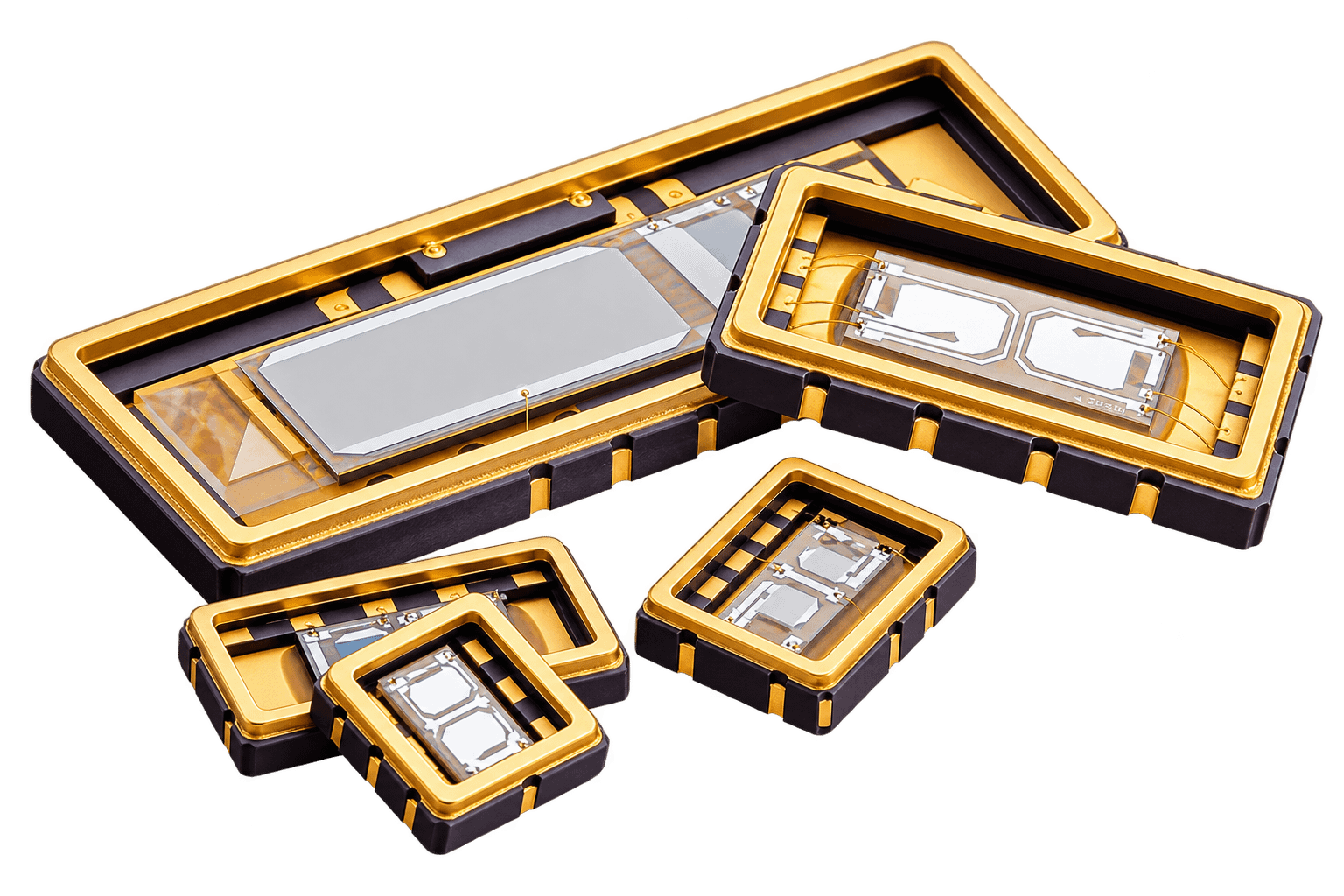
Image: Hermetically seam-sealed package

Image: High-power SAW filters
High-Power Performance
Spectrum Control’s high-power SAW filters handle up to +35 dBm CW input power at +125°C across narrow, wide, and fractional bandwidths, with operating frequencies from 20 MHz to 1.6 GHz. Engineered for demanding high-power environments, these filters maintain stable performance without degrading center frequency, bandwidth, insertion loss, or ripple—even under sustained high-power operation. This combination of power handling, frequency stability, and signal integrity helps ensure consistent RF performance over a wide range of operating conditions. The result is a reliable filtering solution for demanding military and commercial applications where thermal performance, durability, and long-term RF stability are critical.
Compact, High-Performance RF Filtering
These high-power SAW filters remove undesirable signals that could otherwise degrade the performance of radar, communication, and electronic warfare systems. By providing precise frequency selectivity and reliable rejection of unwanted signals, they help protect signal integrity and maintain consistent system performance in demanding RF environments.
Because SAW manufacturing leverages process equipment and fabrication techniques similar to those used by integrated circuit (IC) manufacturers, Spectrum Control can produce smaller, lighter filters while maintaining repeatable performance and high reliability. This efficient manufacturing approach also helps reduce cost compared with other filter technologies, providing an attractive combination of size, weight, performance, and value for advanced military and commercial RF systems.
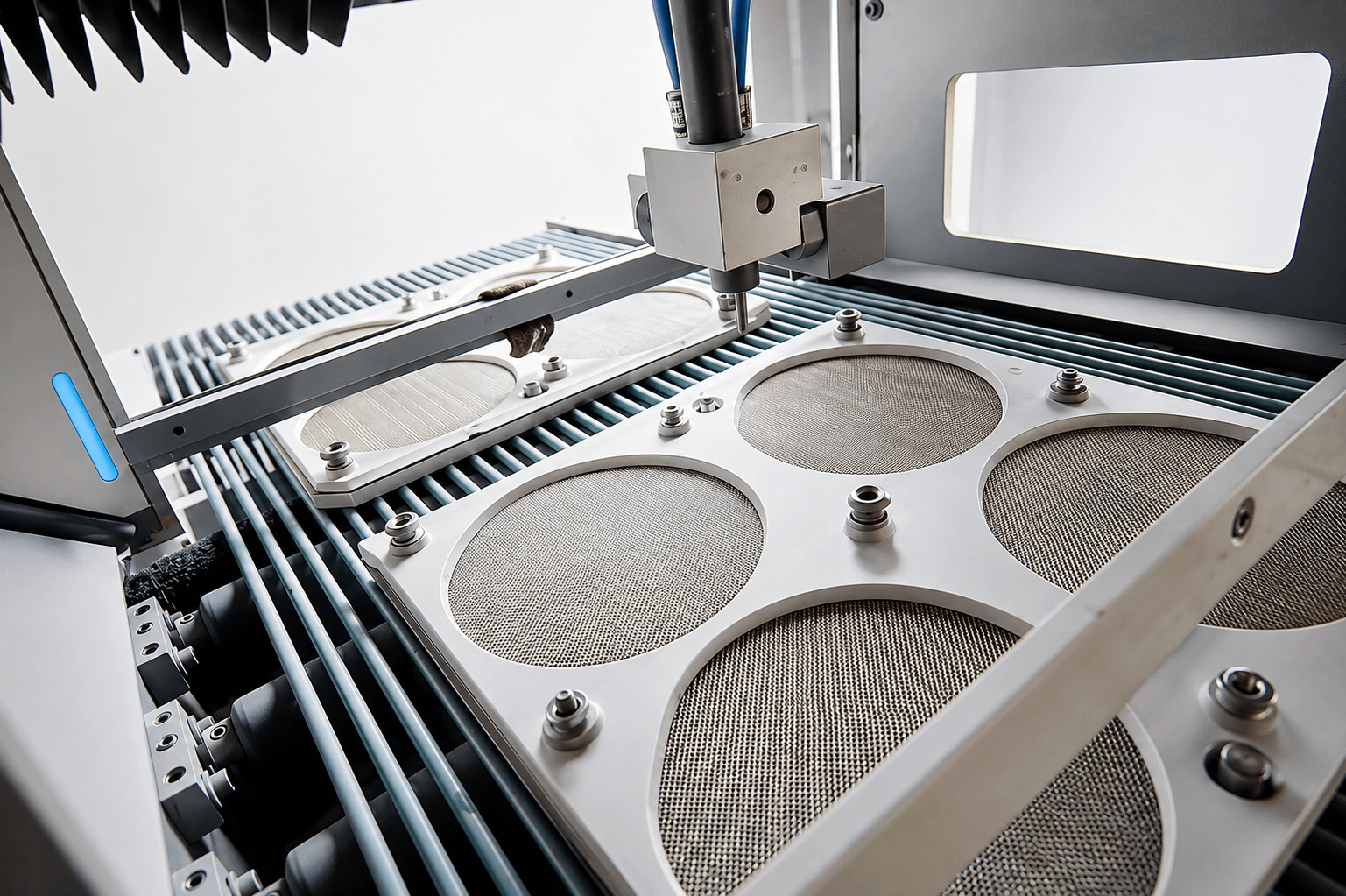
Image: SAW filters
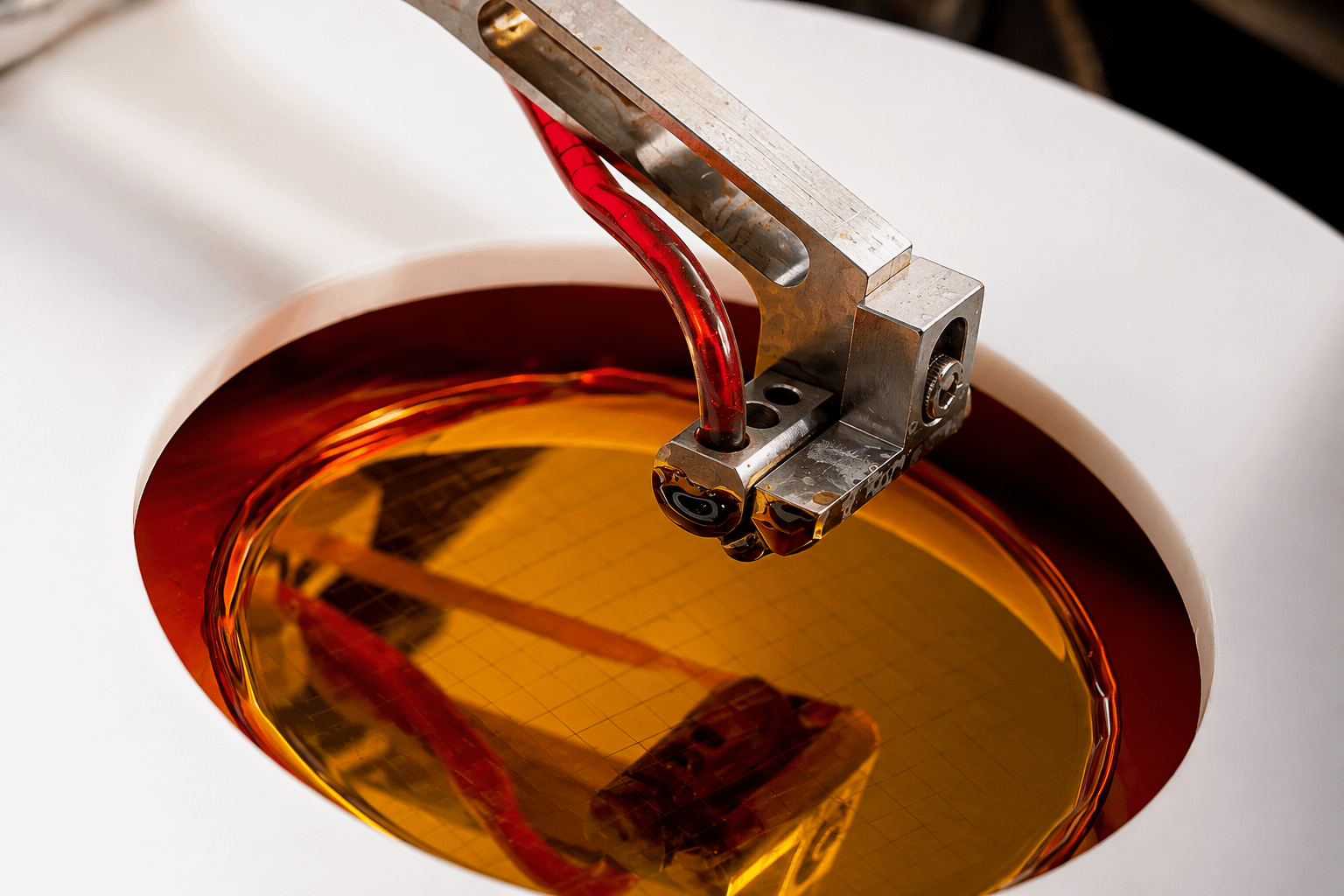
Image: proprietary materials
Advanced Materials for High-Power Performance
Spectrum Control developed a proprietary materials formula, paired with an additional thin aluminum layer, to improve thermal conductivity and support reliable operation at higher power levels. This advanced material construction helps dissipate heat more effectively while maintaining wide bandwidth, low insertion loss, and consistent RF performance as power handling increases. By improving thermal management without compromising key electrical characteristics, the technology extends performance beyond conventional SAW filter designs. The result is a robust, high-power filtering solution that delivers greater stability, efficiency, and reliability for demanding military, aerospace, and commercial RF applications.
Advanced Design & In-House Manufacturing
Spectrum Control combines in-house, state-of-the-art SAW wafer fabrication technology with proprietary simulation software to create reliable, repeatable designs from the outset. This integrated approach enables precise control over critical filter characteristics and helps ensure consistent performance from unit to unit. By optimizing designs before production, Spectrum Control minimizes the tuning and adjustment typically required with other filter technologies. The result is predictable RF performance, improved manufacturing efficiency, and greater design confidence without unnecessary cost or extended lead times. Customers benefit from a streamlined solution engineered to deliver dependable performance across demanding military and commercial RF applications.
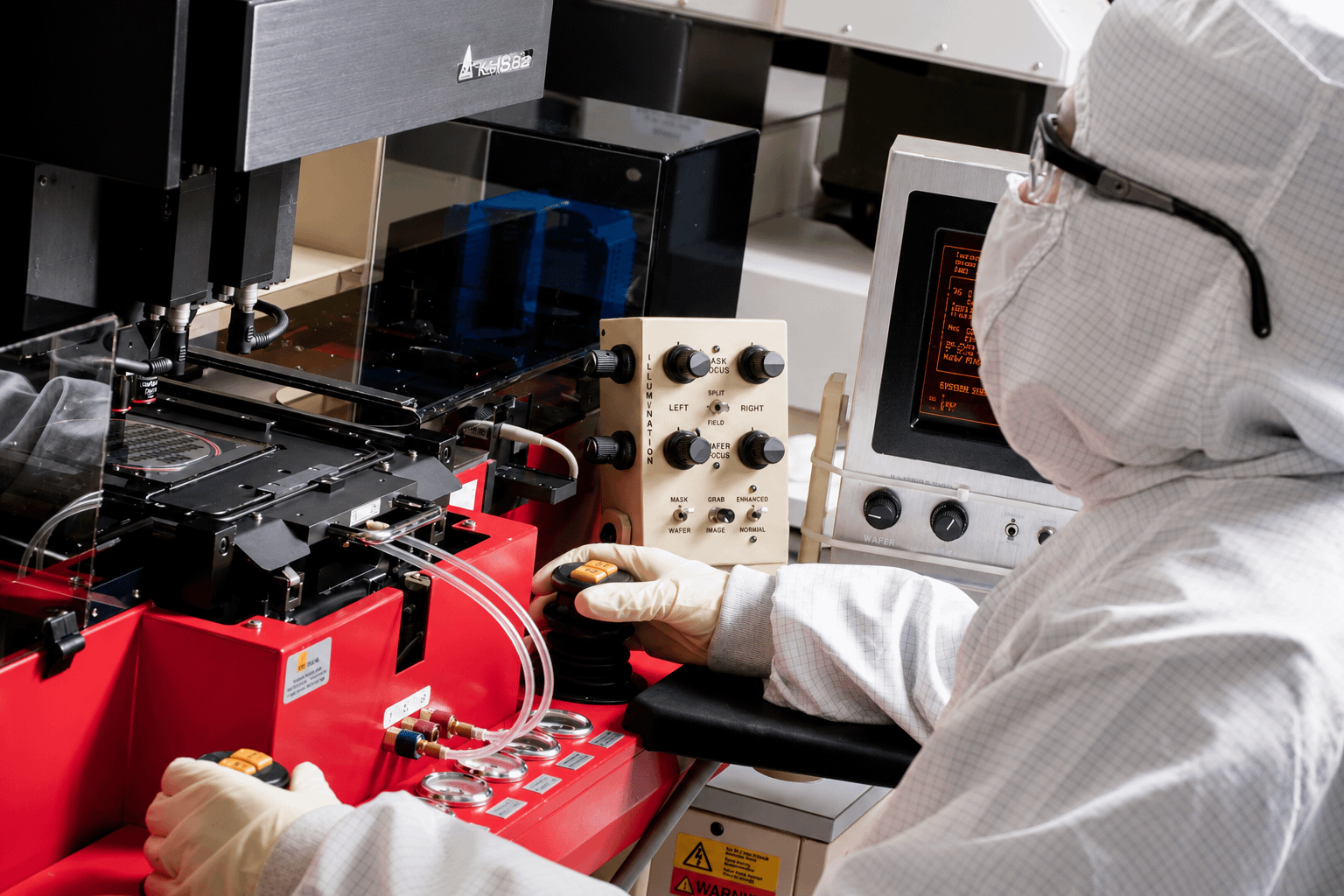
Image: state-of-the-art SAW wafer fab