Filters

An RF (radio frequency) or microwave filter is an electronic component that allows certain frequencies to pass through a circuit while blocking unwanted frequencies. RF filters are essential in communications systems, defense radar, and aerospace platforms where signal clarity, integrity, and interference control are critical.

A typical RF filter works by creating a shaped response for the signal as it passes through the filter circuit. Depending on both the filter function and design, rf filters can pass a single band of frequencies, they can reject a band of frequencies, block all frequencies above a cut-off point or block all frequencies below a cutoff point. The four most common types of filters are bandpass filters, lowpass filters, highpass filters, and notch filters.  Each of these filter functions serves a specific role in managing the overall waveform movement in the system.
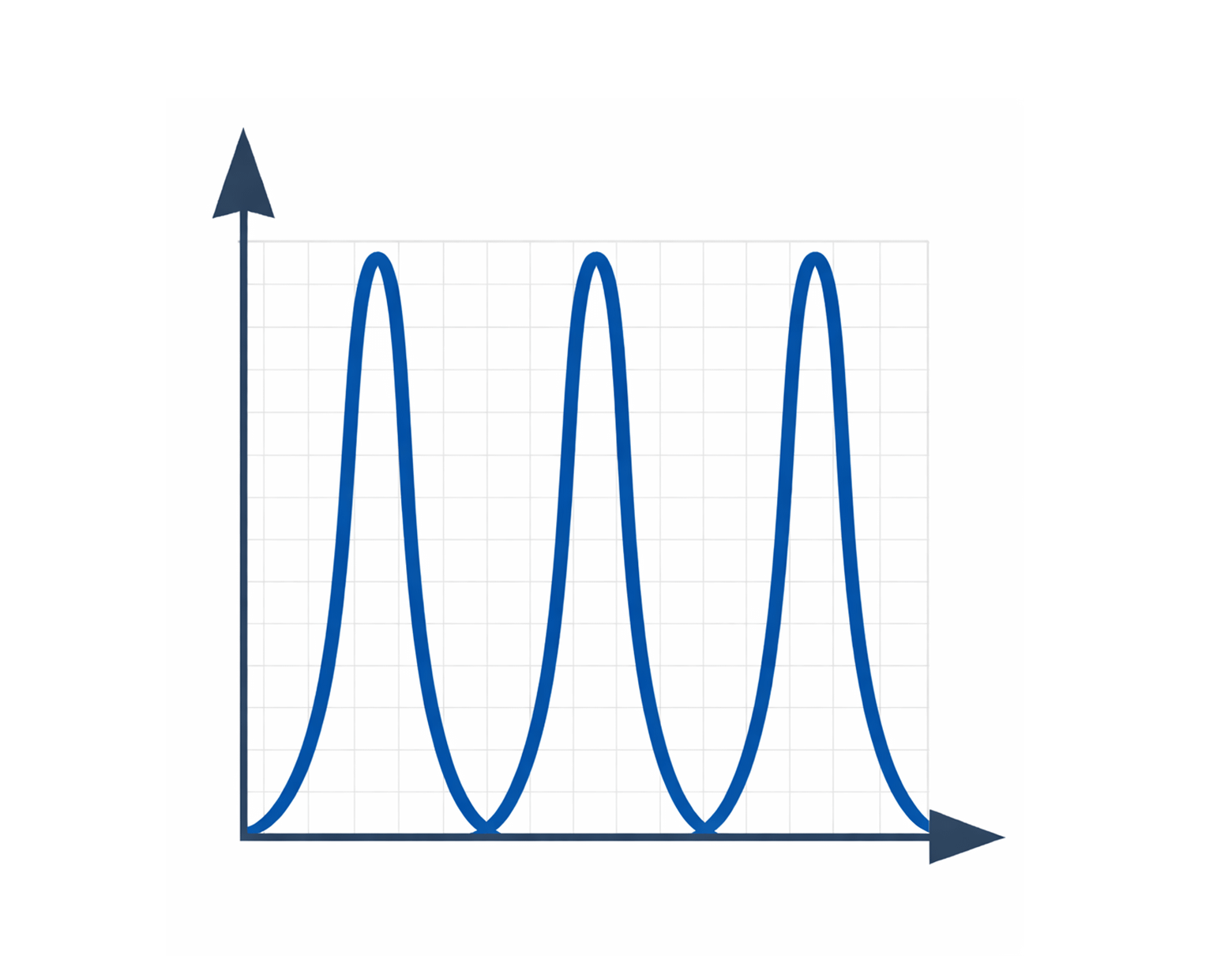
Bandpass Filters
Bandpass Filters
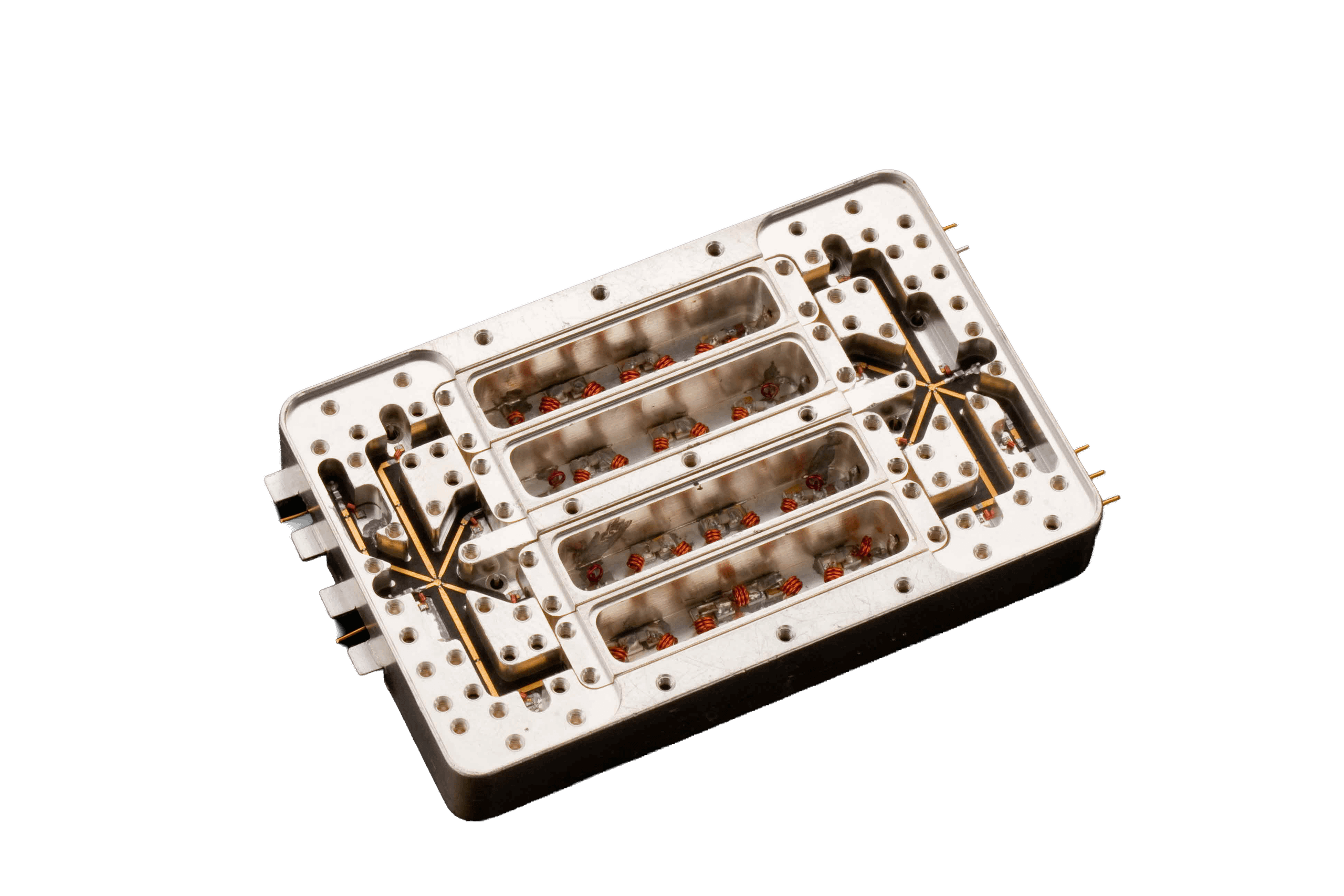
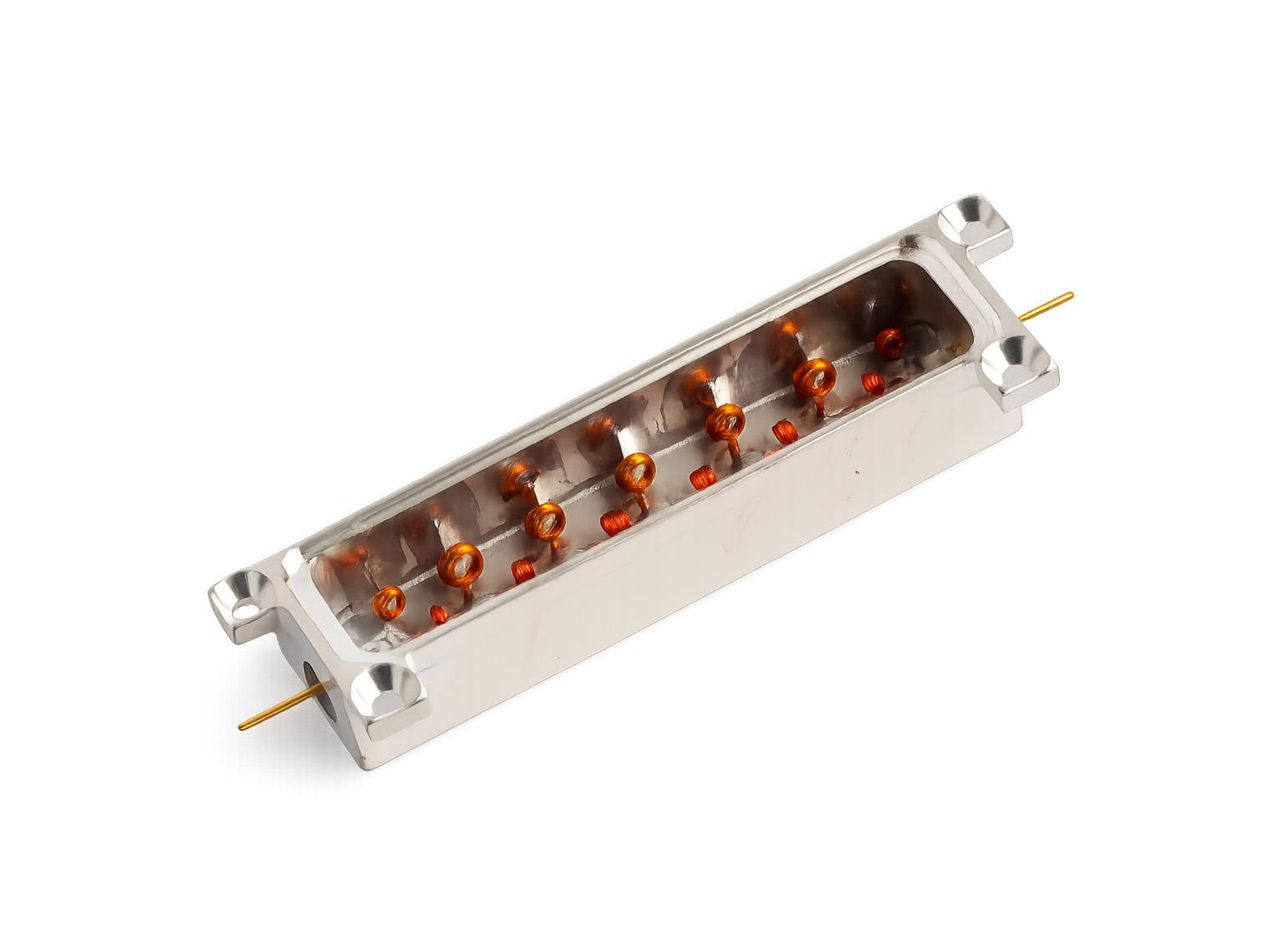
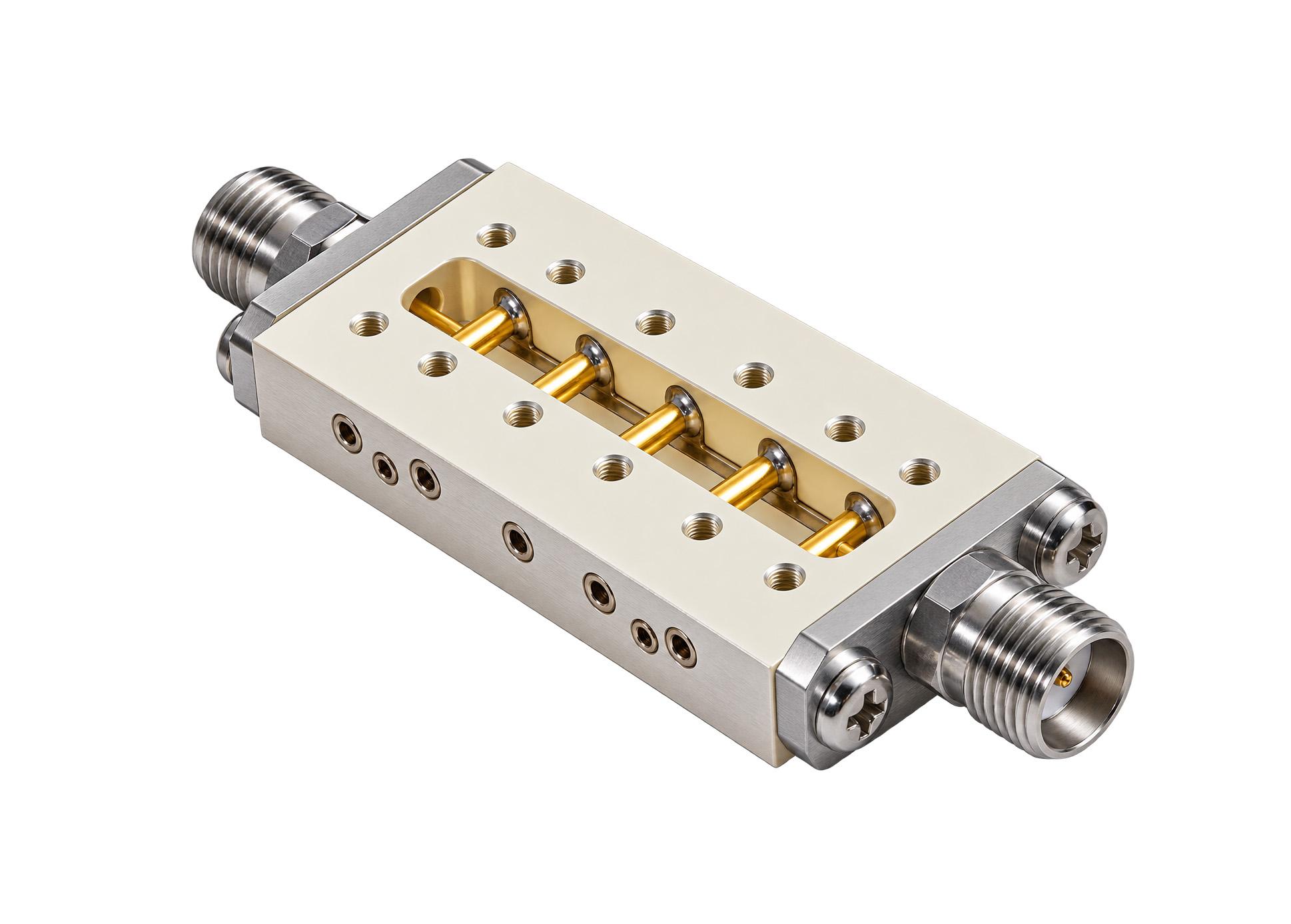
Industry-leading filters offer in-band insertion loss as low as 0.11 dB and come in multiple topologies for high-Q, low-loss performance.
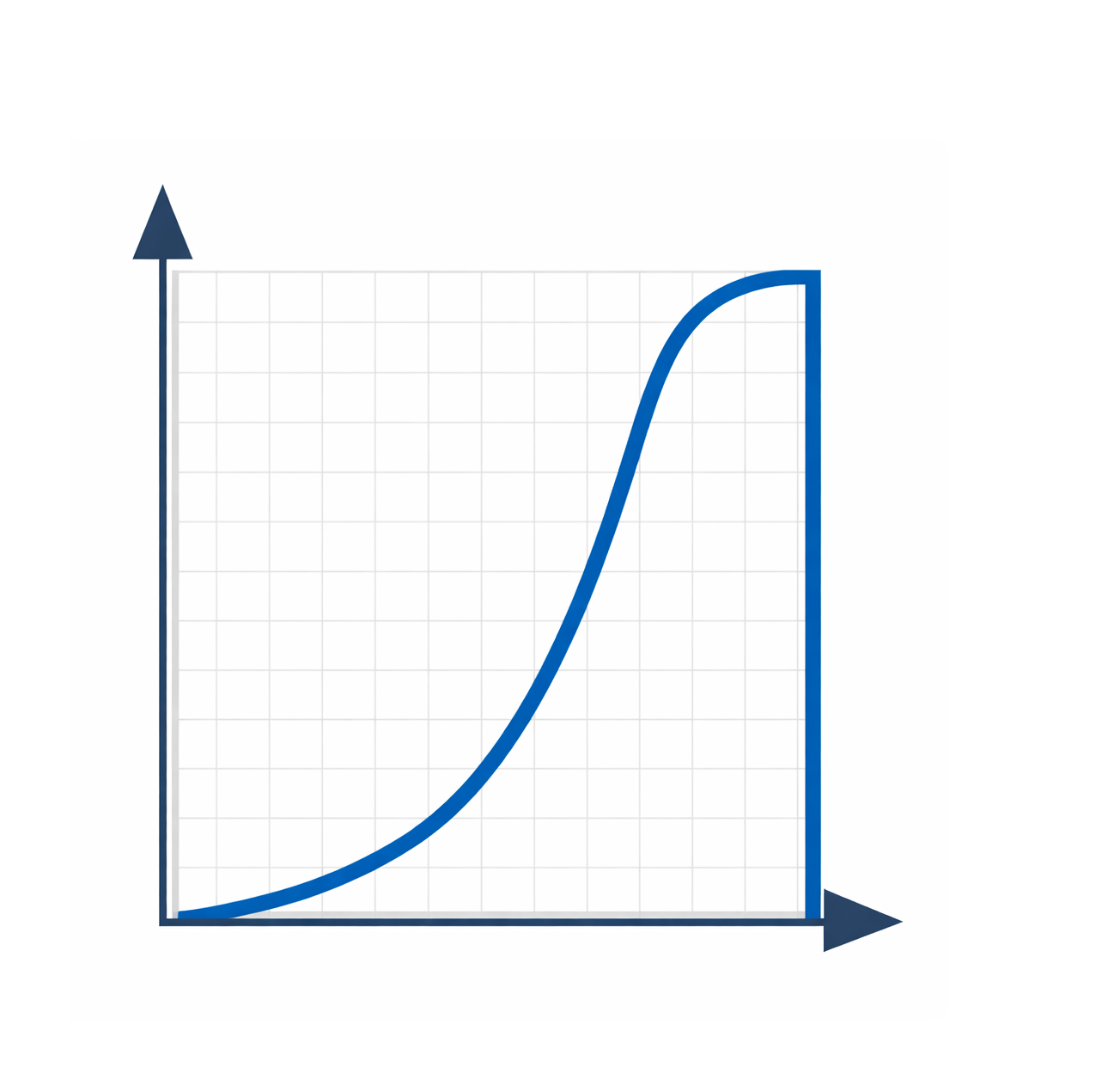
Lowpass Filters
Lowpass Filters
Surface-mount and connectorized lowpass filters offer insertion loss as low as 0.13 dB, with 2,000+ high-Q designs across multiple topologies.
Highpass Filters
Highpass Filters
Highpass filters offer in-band insertion loss as low as 0.15 dB, with high-rejection, high-Q performance across multiple architectures.
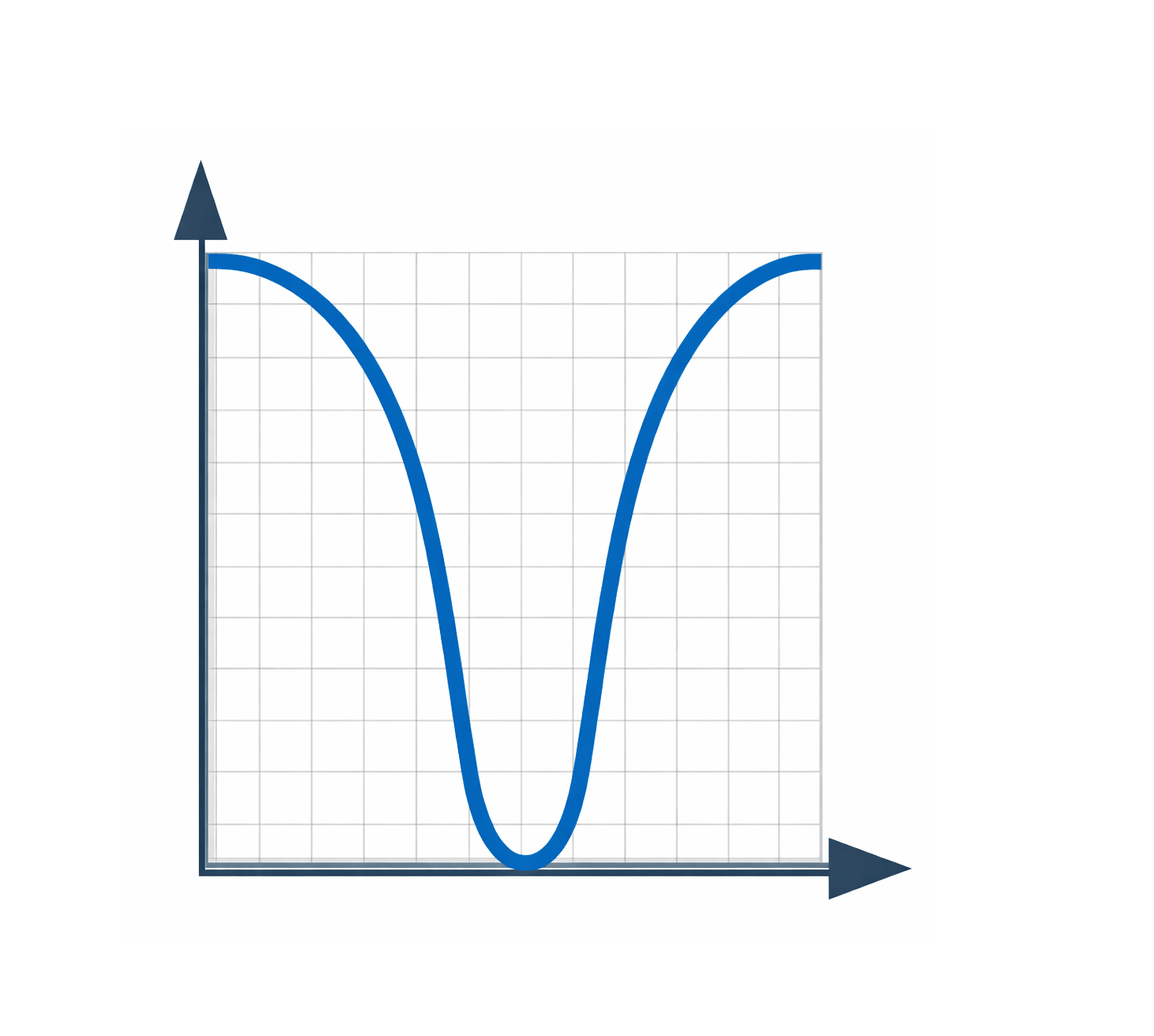
Notch Filters
Notch Filters
Low-loss band-reject filters deliver up to 80 dB rejection with high-Q, high-rejection performance across multiple architectures.
Diplexers, Triplexers, Multiplexers
Low-loss diplexers/triplexers with insertion loss as low as 1 dB preserve spectral fidelity for defense and wireless signal separation in heavy interference.
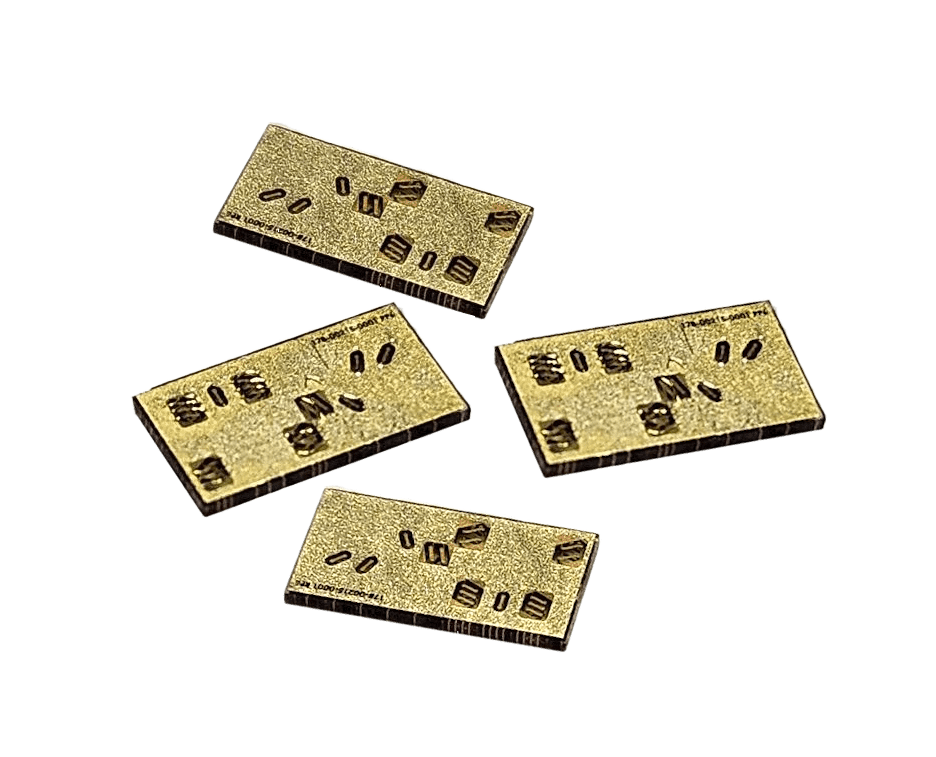
3D Glass SMT Filter
3D Glass SMT Filter
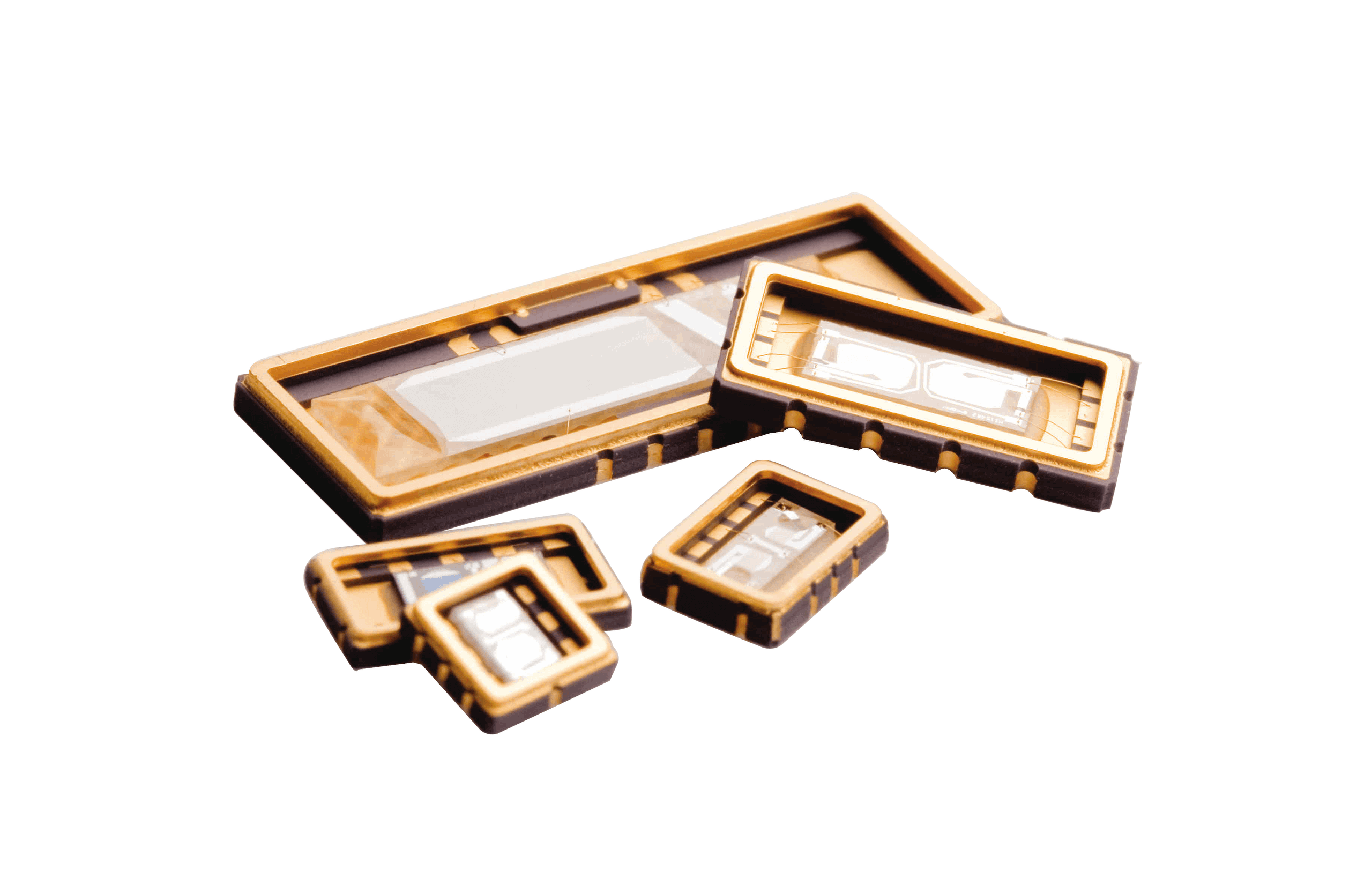
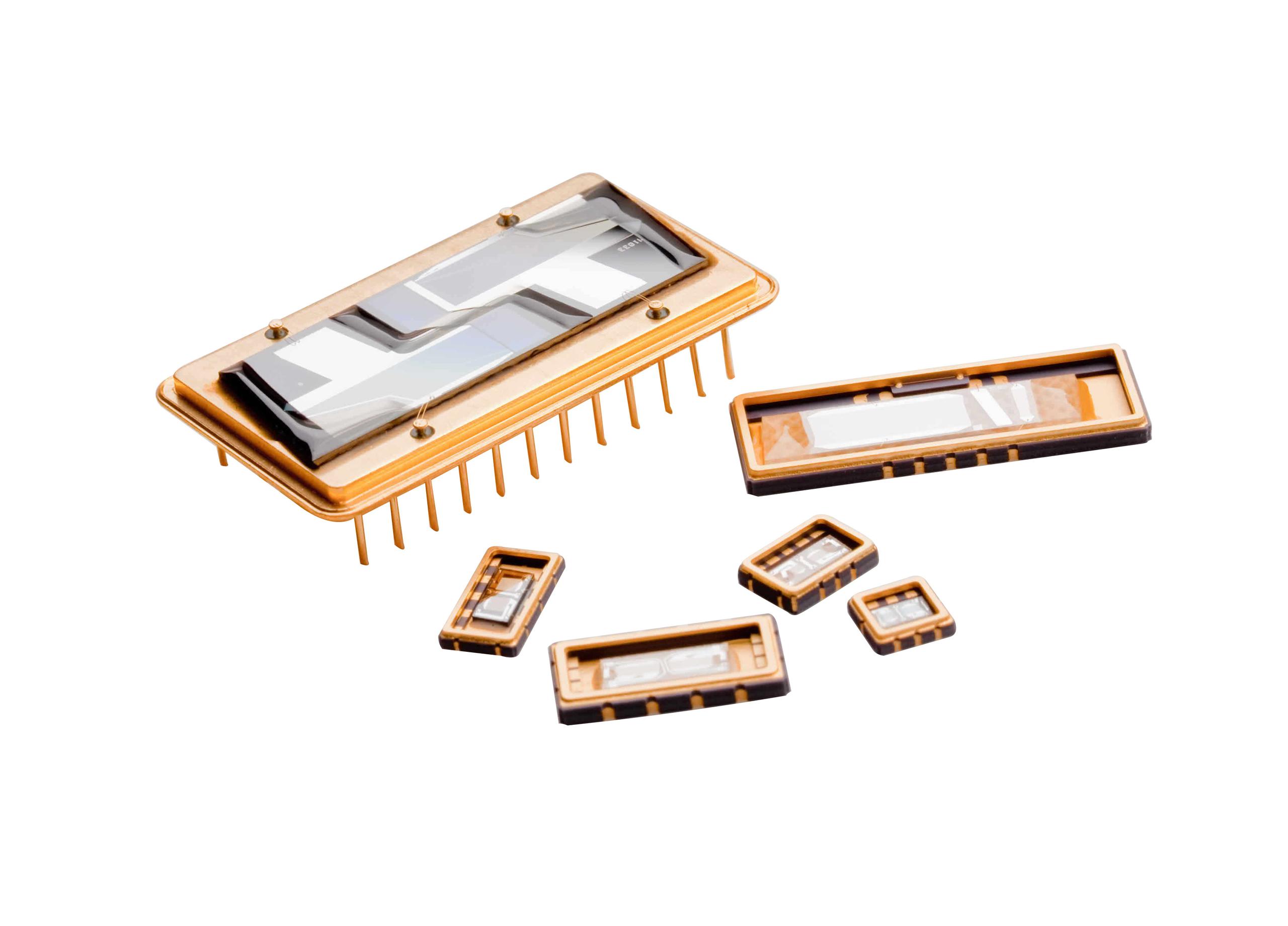
Ultra-miniature glass filters offer affordable customization, low insertion loss, and up to 65 dB rejection in compact bandpass, lowpass, or highpass designs.
SAW Filters
SAW Filters
High-power, low-loss SAW filters offer insertion loss as low as 1.5 dB, handle up to 36 dBm CW, and deliver excellent delay and up to 60 dB rejection.
Ceramic Filters
Ceramic Filters
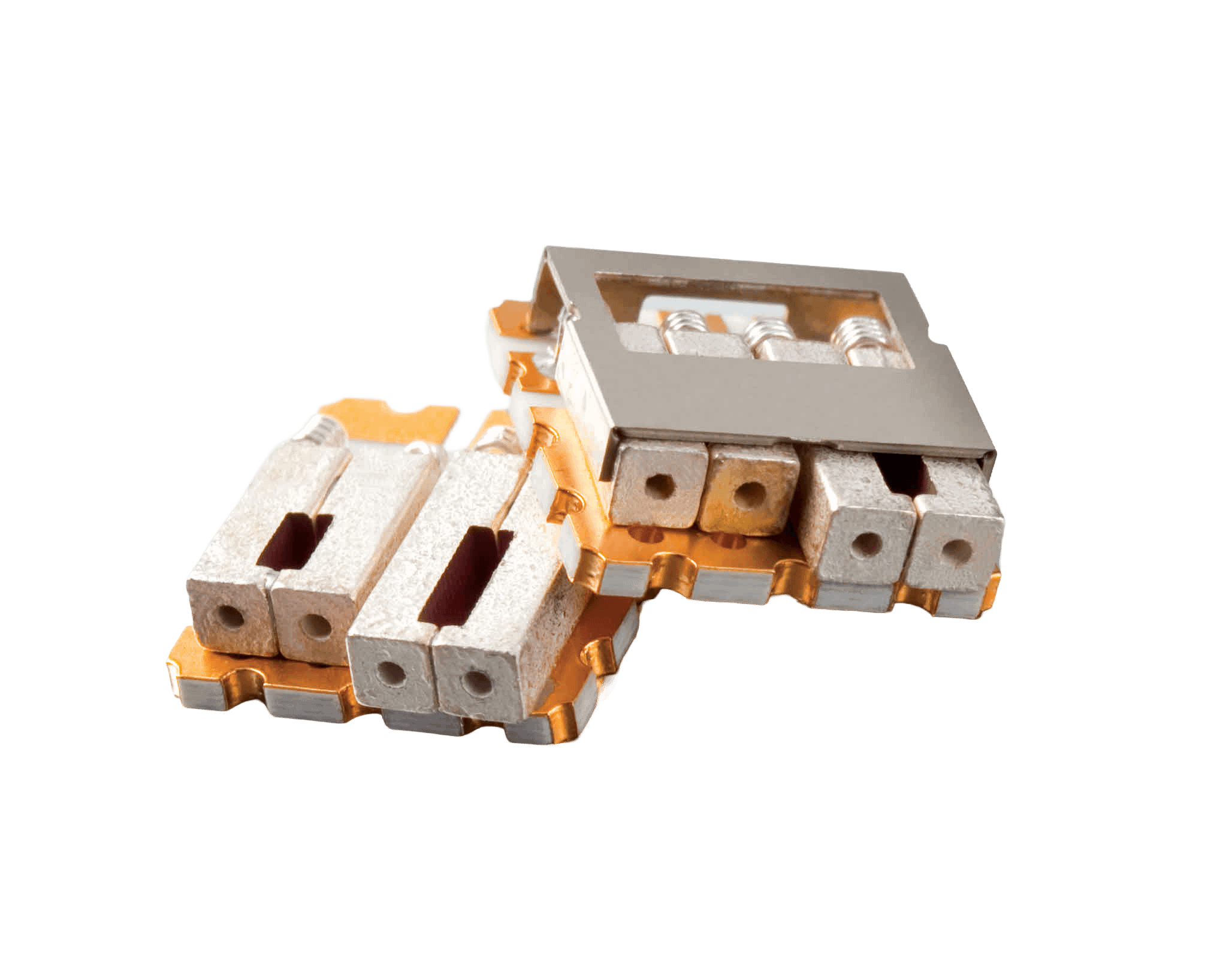
Low-loss ceramic filters offer insertion loss as low as 1.3 dB in bandpass and multiplexed configurations, with up to 65 dB rejection in a compact package.
Switched Filter Banks
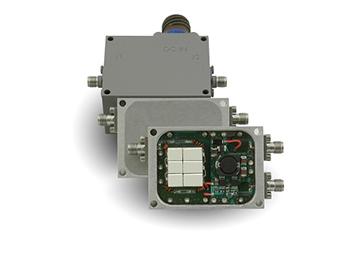
Compact switch filter banks deliver fast switching in a small housing, with 0.1 µs witching, up to 80 dB isolation, and integrated drivers.
Filtered GPS Low Noise Amplifier
Configurable amplified GPS filters deliver 1.6 dB noise figure, up to 45 dB gain, and L1/L2/L5 support with ceramic filtering and low-noise sensitivity.
High Power SAW Filters
High power SAW filters support input power levels up to +35 dBm CW at +125°C and cover narrowband, wideband, and fractional bandwidths across frequencies from 20 MHz to 1.6 GHz.

By removing undesired signals, RF filters can improve and enhance system efficiency, RF filters can help reduce spectral interference, rf filters can also help ensure reliable system wide operation in complex and sometimes electronically hostile environments.

When selecting an RF filter, engineers consider factors such as frequency range, insertion loss, rejection, skirt selectivity, group delay variation, size, weight, and power handling. Filter type and topology, such as lumped element, cavity, ceramic, or SAW, also play a key role in achieving optimal performance for a given application.

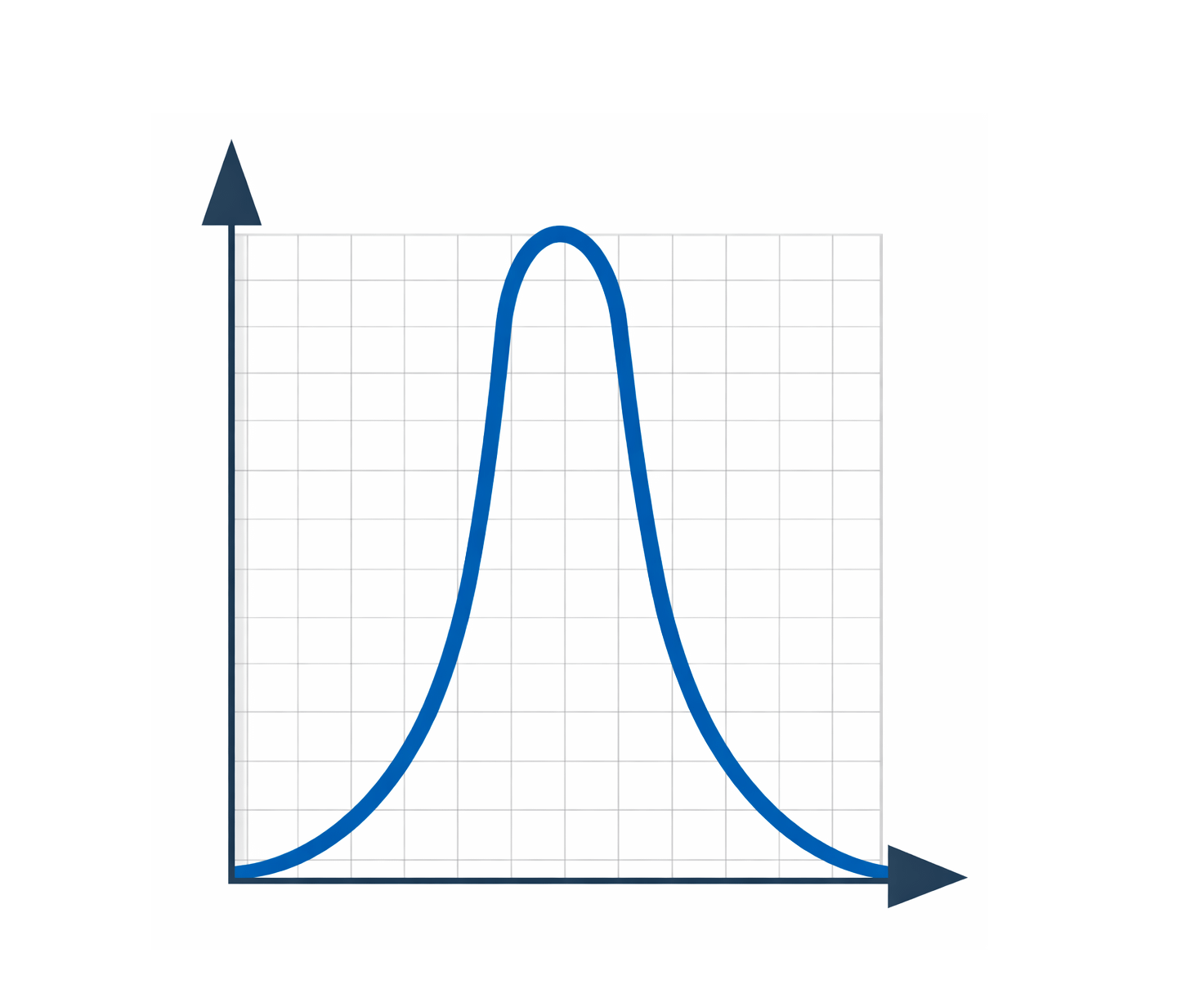
Bandpass filters allow a predefined band or range of frequencies to pass through while rejecting those above and below that pass-through range.

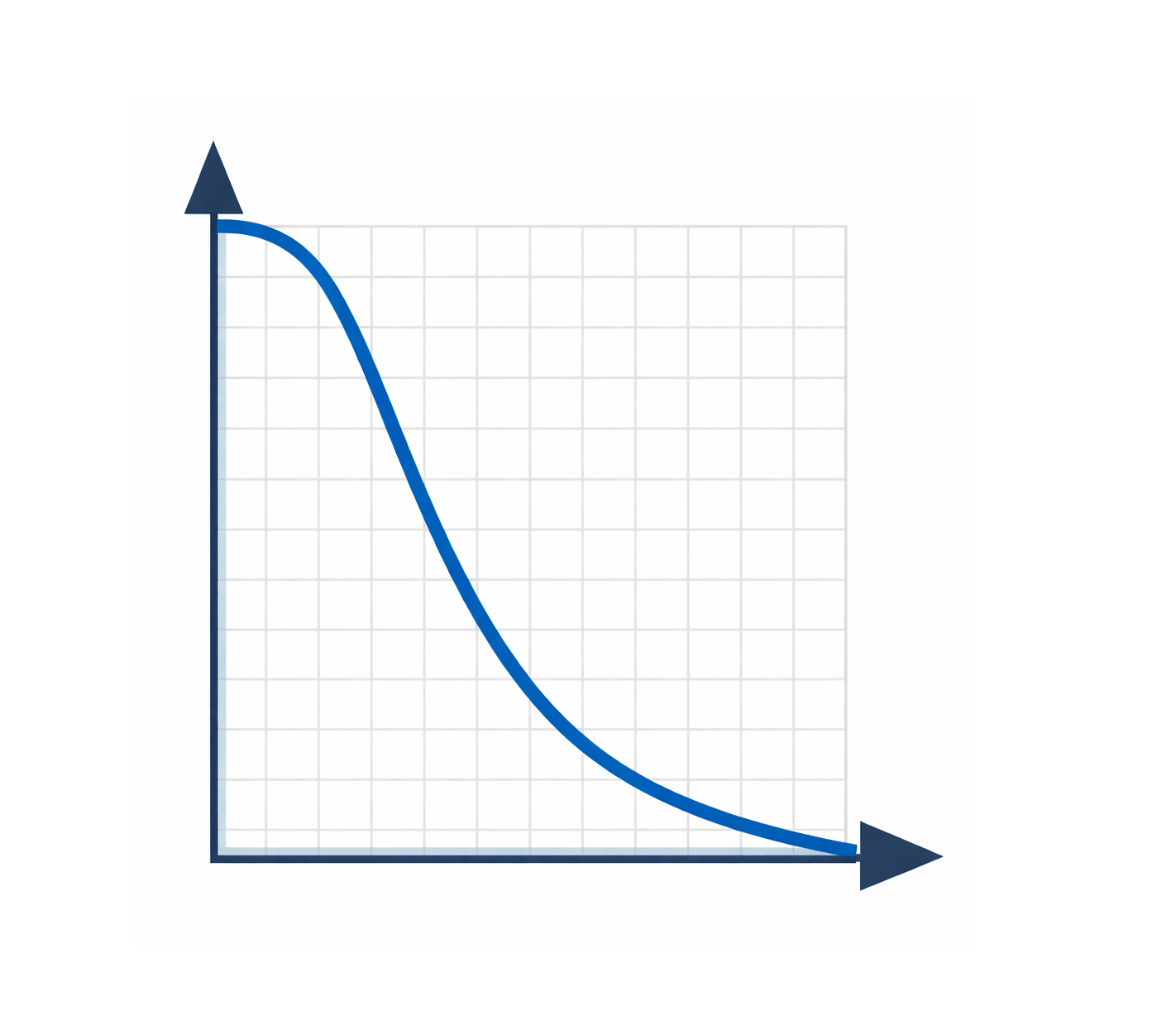
Lowpass filters allow frequencies below a cutoff point to pass and then attenuates higher frequencies.

Highpass filters allows higher frequencies to pass through while rejecting lower bands.

Notch filters reject a narrow range of frequencies while allowing other signals above and below to pass through.

By isolating desired signals or bands, and eliminating unwanted bands, RF filters play a fundamental role in enabling electronic systems to operate efficiently and reliably.​​​​​​

Custom RF Filters

Designed and built to your specifications

Spectrum Control’s low-loss (0.1 dB) bandpass filter designs surpass other RF filter companies, with every filter tested to your exact specifications. These industry-leading solutions are also available as lowpass, highpass, and notch filters using lumped element, cavity, ceramic, SAW, printed, and new glass filter topologies.


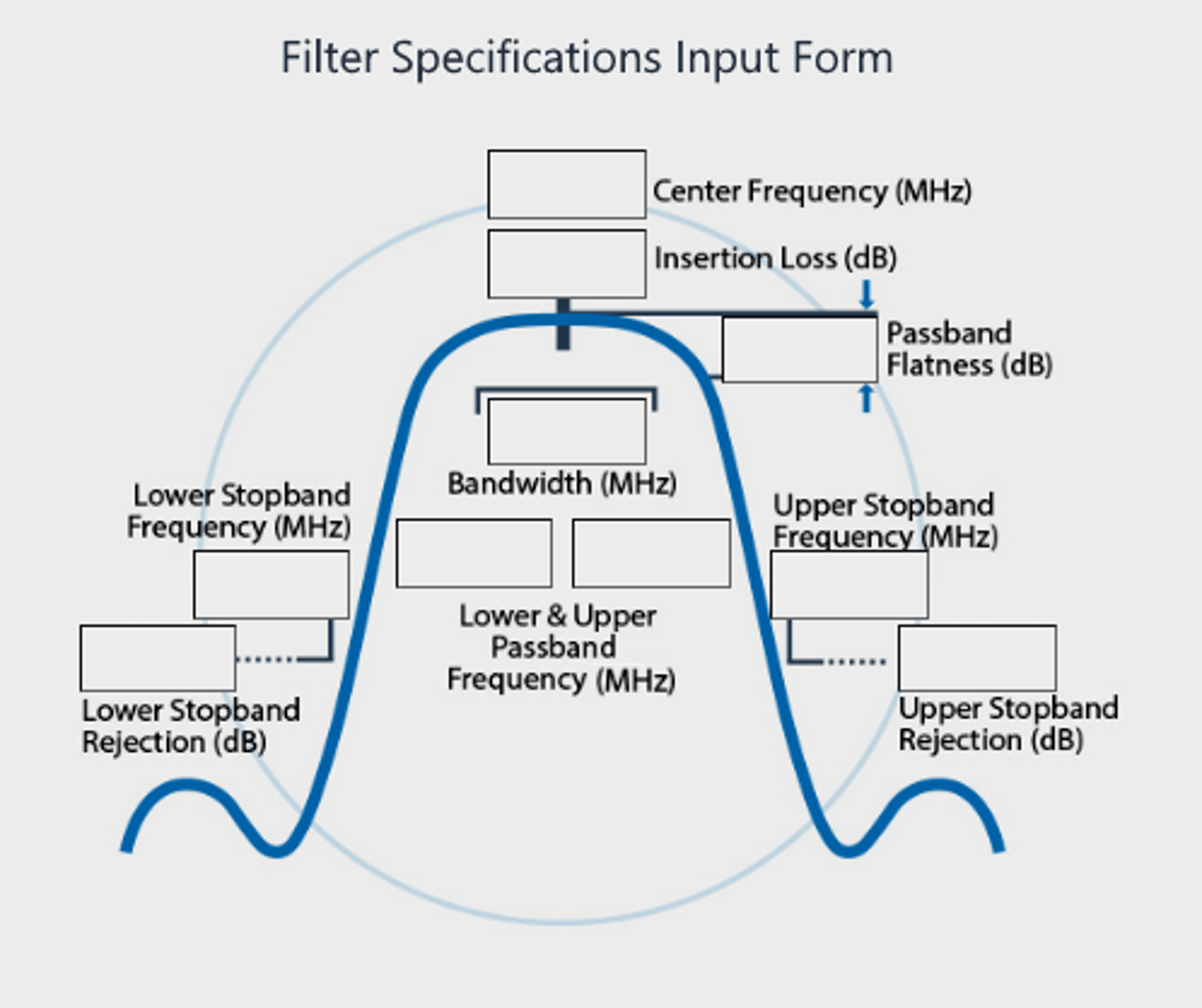
Specify your custom RF filter using our convenient input form.

Low insertion loss filters (0.1 dB) are essential for many of today’s defense platforms and modern wireless environments that require high spectral fidelity. Low insertion loss filters (0.1 dB) help receivers detect and process low-power targets, as well as discern targets of interest in interference-heavy environments. Spectrum Control offers 0.1 dB loss bandpass filters to help identify weak communication transmissions and recognize valuable intelligence signals in a crowded spectrum.

Spectrum Control's database of low-loss bandpass filter designs (0.1 dB) helps eliminate the need for additional gain when Size, Weight, and Power (SWaP) initiatives are in place. Low-loss filters from Spectrum Control also help suppress harmonics at the receiver front end when complex pulse or chirp signals are cascaded in the receive-side chain. This is especially critical where a flat amplitude response helps prevent distortion and unwanted spurious modulation.

Spectrum Control’s line of low-loss bandpass filter designs (0.1 dB) delivers insertion loss as low as 0.1 dB while optimizing pole-placement strategies to achieve high rejection in a compact design. These low-loss bandpass filters (0.1 dB) also help maintain receiver sensitivity in crowded wireless spectra. High insertion loss can lead to excessive heat, requiring additional cooling strategies or heavier metal packaging to prevent thermal runaway.

Low-loss bandpass filters (0.1 dB) from Spectrum Control improve signal-to-noise ratio (SNR) performance by providing a lower-loss path for weak signals, maintaining spectral purity without harmful bit-error-rate (BER) degradation. Spectrum Control also offers a selection of Rapid Filter options, providing bandpass filters in both Chebyshev and Elliptic functions to meet critical demand requirements.