
AEROSPACE + DEFENSE / SPACE / SPACE SOLUTIONS
High Temperature Electronics for Space
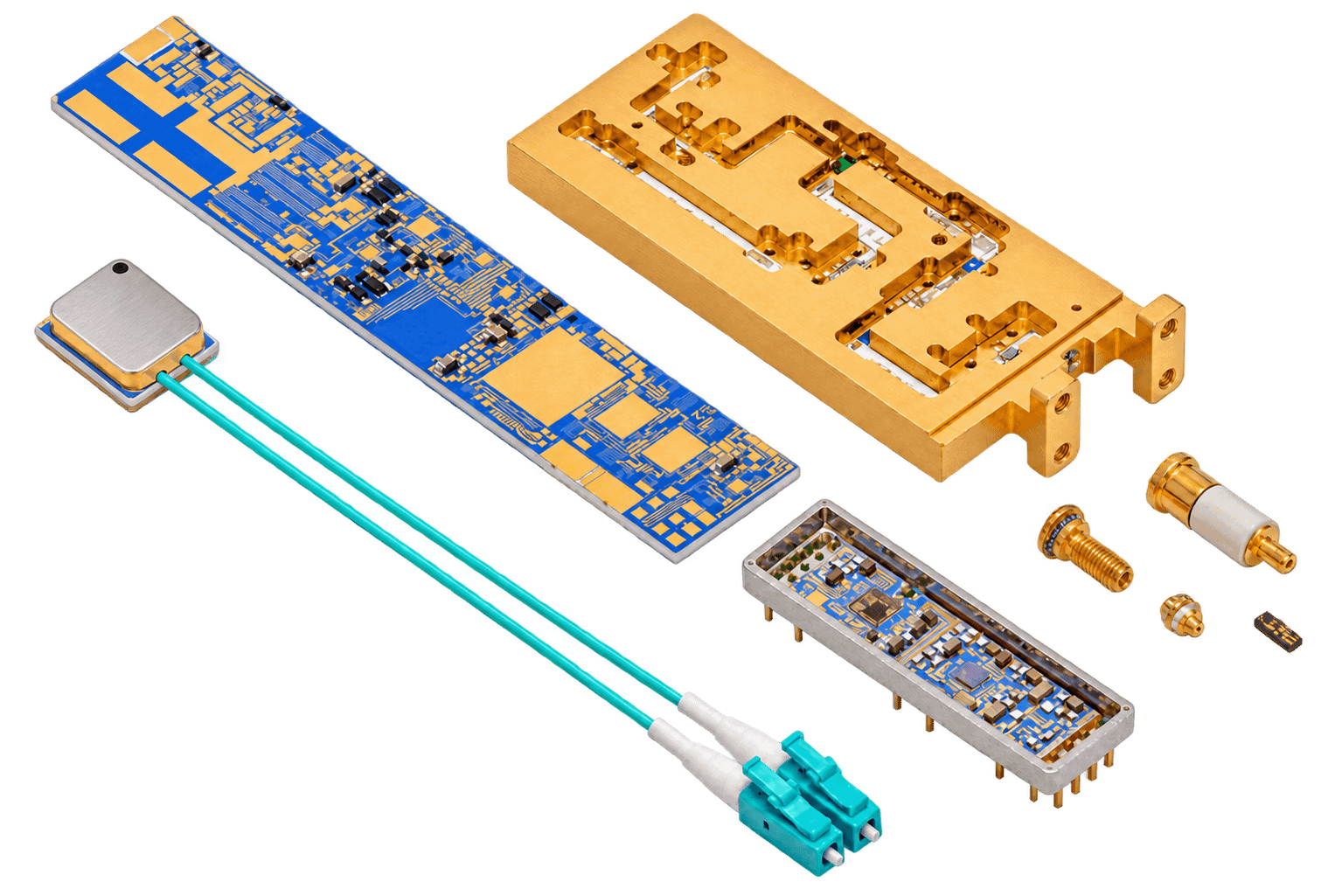
Spectrum Control designs and manufactures custom hybrid microelectronics for space applications. Our capabilities combine thick-film ceramic interconnects, bare semiconductor die, and hermetic packaging, with selected designs supporting operating temperatures up to 225°C.
We help engineers balance thermal requirements, electrical performance, package size, and mission life. From design through assembly, testing, and qualification, our teams work with customers to align each solution with the application’s operating environment and reliability requirements.
Capabilities at a Glance
-
High-Temperature Operation: Selected designs support up to +225°C.
-
Ceramic Substrates: Thick-film ceramic interconnects for hybrid electronics.
-
Device Integration: SOI, SiC, GaN, and GaAs die, plus SMT devices.
-
Specialized Assembly: Chip-and-wire construction and monometallic bonding.
-
Hermetic Packaging: Sealed packages help protect sensitive circuitry.
-
Environmental Testing: Thermal cycling, vibration, and shock testing to program requirements.
Designed for Space Applications
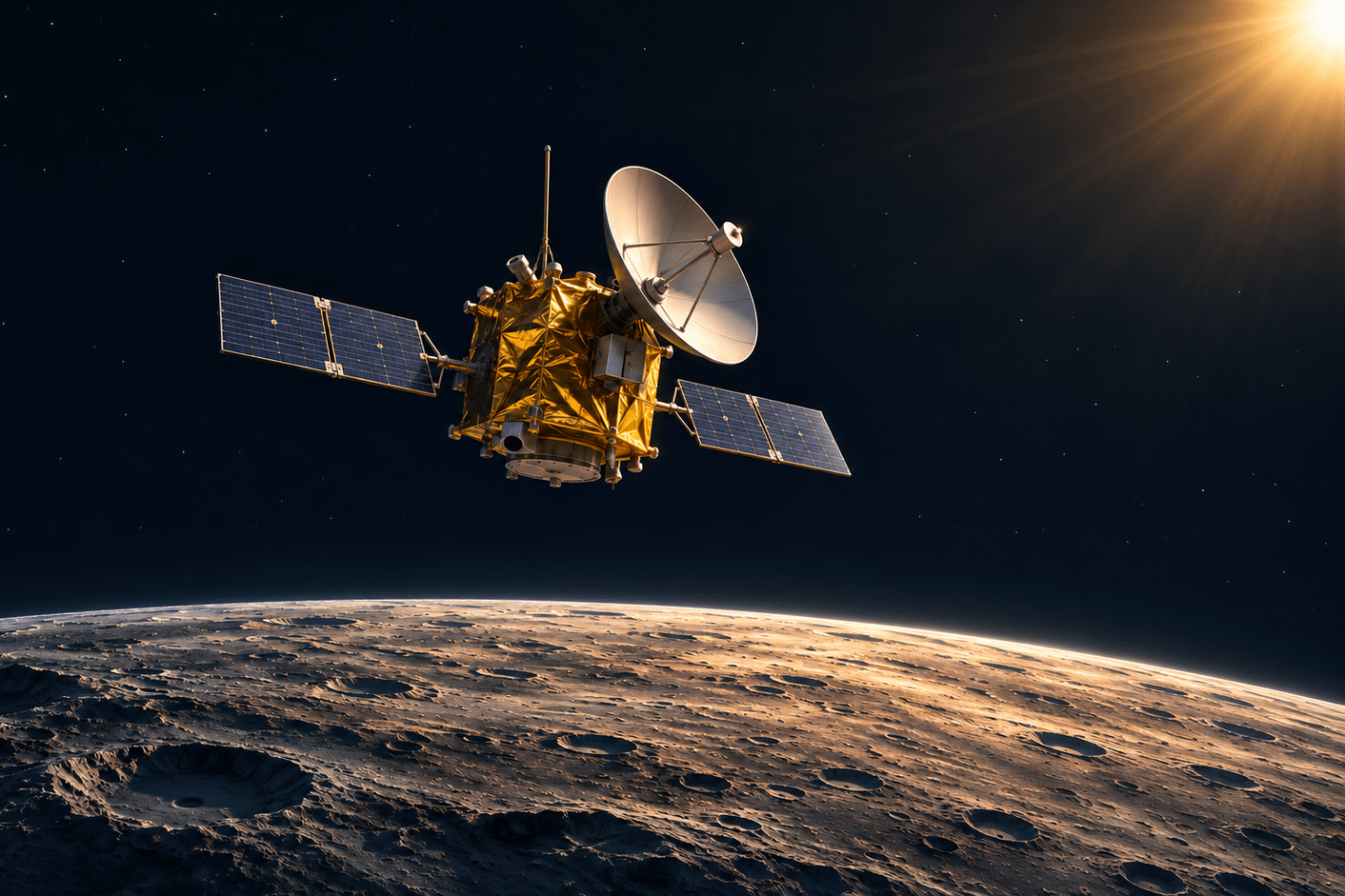
Space electronics must maintain performance through temperature extremes, repeated thermal cycling, and launch vibration. Spectrum Control addresses these challenges through ceramic substrates, specialized assembly techniques, and protective packaging tailored to the application.
Our design approach considers thermal expansion, die attach and wire bond fatigue, electrical stability, and mechanical strength. Material selection, assembly methods, and testing are aligned with the mission’s operating conditions and reliability requirements.
 Address Thermal Stress: Use materials matched for thermal expansion.
Reduce Assembly Fatigue: Address die attach and wire bond fatigue.
Protect Against Environmental Exposure: Use hermetic sealing.
Maintain Electrical Stability: Address thermal drift in critical performance metrics.
Support Mechanical Robustness: Test for vibration and shock.
Evaluate Reliability: Combine physics-of-failure modeling with accelerated life testing.
Key Capabilities
|
Feature
|
Specification |
|
Operating Temperature
|
-55°C to +225°C, depending on design |
| Substrates | Thick-film, hermetic ceramic |
| Supported Devices | SOI, SiC, GaN, and GaAs dies; SMT on ceramic |
| Assembly & Packaging | Chip-and-wire, monometallic bonding, hermetic sealing |
| Testing | Thermal cycling, vibration, and shock testing to program requirements |
| Published high-temperature electronics capabilities. Available combinations and operating limits depend on the selected design. Space suitability and qualification requirements are reviewed for each mission. | |
Product Options & Customization
Spectrum Control tailors hybrid microcircuits and multi-chip modules to each space application’s electrical, mechanical, and thermal requirements. Customization addresses circuit integration, packaging, interfaces, and verification needs.
| Option | Available Capabilities |
| Circuit Integration | Define functions and component combinations for the application. |
| Substrate Layout | Tailor ceramic interconnect layouts to circuit and packaging needs. |
| Device Selection | Review semiconductor die and passive components for operating conditions. |
| Package Configuration | Define enclosure dimensions, materials, and sealing requirements. |
| Electrical Interfaces | Specify connections and termination arrangements. |
| Thermal Design | Review heat dissipation, material expansion, and mounting conditions. |
| Screening Requirements | Establish environmental and electrical testing needs. |
| Documentation | Define test reports and qualification documentation. |
|
Customization options depend on the selected technology and design. Final performance, packaging, and qualification requirements are confirmed through engineering review. |
|
Qualification & Screening
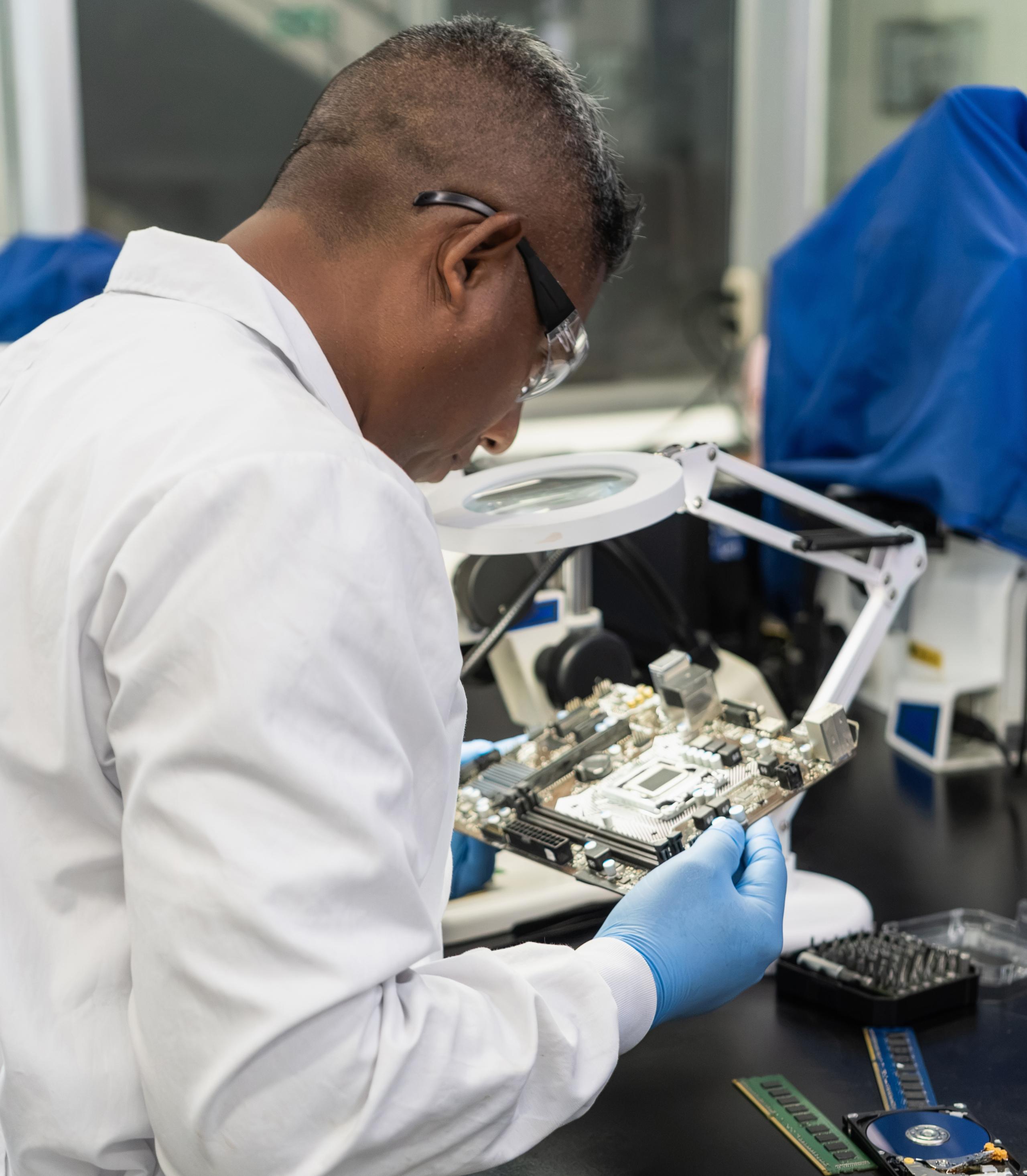
Spectrum Control combines physics-of-failure modeling, accelerated life testing, and environmental testing to support high-reliability hybrid electronics. Qualification and screening plans are tailored to the selected design, operating environment, and mission requirements.
MIL-PRF-38534 Class K capabilities support military and commercial space programs, with testing resources that include an independently managed ISO/IEC 17025-accredited facility.
-
Mission-Specific Screening: Align test conditions and acceptance criteria with program needs.
-
Class K Capabilities: Review applicable qualification and screening requirements for the selected hybrid.
-
Environmental Testing: Define thermal cycling, mechanical shock, and vibration requirements.
-
Qualification Planning: Establish test sequences and documentation early in development.
Space Applications. Proven Expertise.
Typical Applications
- Satellite power management
- Payload control electronics
- Sensor interface circuits
- Scientific instrument electronics
- Propulsion monitoring circuits
- Spacecraft telemetry electronics
- Thermal monitoring and control
- Signal conditioning modules
Why Choose Spectrum Control?
- Custom hybrid design expertise
- Thick-film ceramic technology
- Bare die integration capabilities
- Specialized bonding techniques
- Hermetic packaging options
- Reliability modeling and life testing
- In-house accredited test facility
- Space qualification support
Discuss Your High Temperature Electronics Requirements
Tell us about your high-temperature application to request more information about our custom, high-reliability hybrid and multi-chip module solutions. Include available mission details and screening or qualification requirements so our engineering team can help identify a suitable amplifier solution.