
AEROSPACE + DEFENSE / SPACE / SPACE SOLUTIONS
Filtered GPS LNAs for Space
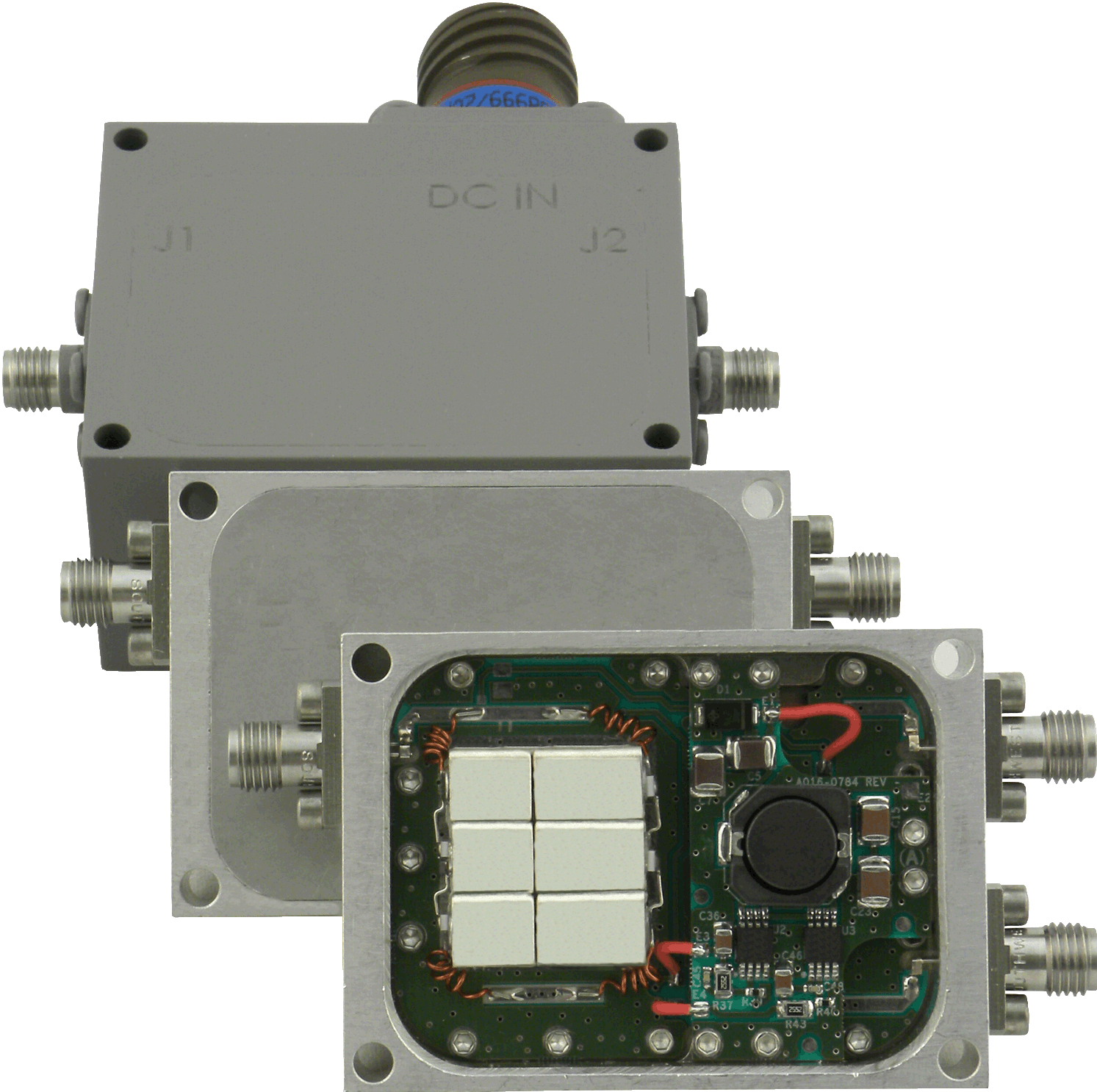
Spectrum Control’s filtered GPS low noise amplifiers combine frequency-selective filtering and low noise amplification to support GPS receiver front ends in space applications. Integrated ceramic filters reduce out-of-band interference while the amplifier boosts desired GPS signals, helping preserve receiver sensitivity.
Configurable GPS band combinations, gain levels, supply voltages, output options, and connector styles help match system requirements. We work with customers to review electrical performance, mechanical interfaces, and mission-specific screening and qualification needs for the selected design.
Capabilities at a Glance
-
Integrated Filtering: Reject out-of-band interference.
-
Low Noise Amplification: Preserve GPS receiver sensitivity.
-
GPS Band Options: Select application-specific band combinations.
-
Configurable Gain: Match receiver signal-level requirements.
-
Flexible Powering: Coaxial or external bias options.
-
Connector Choices: SMA, Type N, and TNC interfaces.
Designed for Space Applications
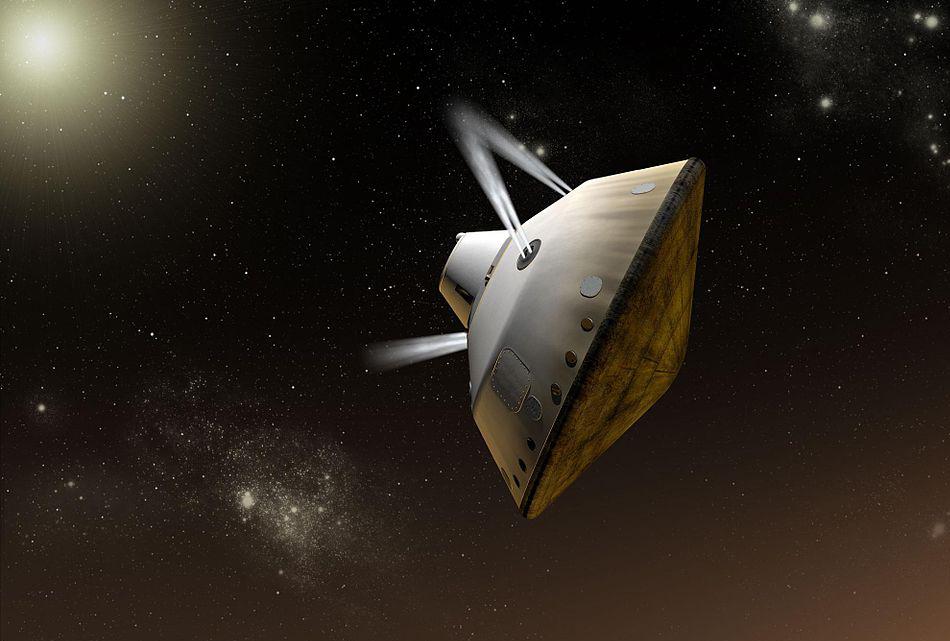
GPS receiver front ends in space systems must preserve weak navigation signals while limiting interference from nearby transmitters and onboard electronics. Engineers must balance gain, noise figure, filtering, and power consumption within the spacecraft’s integration constraints. Spectrum Control’s filtered GPS LNAs combine ceramic preselection and low noise amplification, with configurable bands, gain levels, and interfaces. We work with customers to review the selected configuration against mission-specific electrical, environmental, and qualification requirements.
 Preserve Sensitivity: Amplify GPS signals with low added noise.
Reject Interference: Filter unwanted signals before amplification.
Support Multiple Bands: Select GPS band combinations for the receiver.
Balance Signal Levels: Match gain to receiver and cable-loss requirements.
Simplify Integration: Combine filtering and amplification in one module.
Adapt System Interfaces: Configure power, outputs, and connectors.
Key Performance
|
Feature
|
Specification |
| GPS Frequencies | L1: 1575.42 MHz; L2: 1227.60 MHz; L5: 1176.45 MHz |
| Passband Bandwidth | 20.46 MHz |
| Gain Options | 16-40 dB in 3 dB steps; ±3 dB tolerance |
| Noise Figure | 1.8 dB typical; 2.5 dB maximum |
| Output P1dB | +3 dBm minimum |
| Output IP3 | +20 dBm minimum |
Published 312 series specifications at +23°C. Available band combinations and performance depend on configuration. Space suitability, screening, and qualification require mission-specific review.
Product Options & Customization
Spectrum Control’s filtered GPS LNAs offer configurable bands, gain levels, power connections, and interfaces to match receiver requirements. We help customers select a configuration and review modifications, screening, and qualification needs for their space application.
| Option | Available Capabilities |
| GPS Bands | L1, L1/L2, L1/L5, and L1/(L2/L5) configurations. |
| Gain Levels | Nominal gain options from 16 to 40 dB in 3 dB steps. |
| Output Configuration | Single or dual outputs, depending on gain and connector selection. |
| Supply Voltage | Standard +5 to +36 VDC or +3.3 VDC bias configurations. |
| Bias Connection | Coaxial or external power, with selected options to power upstream devices. |
| RF Connectors | SMA, Type N, and TNC options to match system interfaces. |
| Housing & Finish | Package styles with nickel-plated or epoxy-painted finishes. |
| Custom Requirements | Review electrical, mechanical, and mission-specific testing needs with engineering. |
|
Options depend on configuration. Standard dual-output models exclude 40 dB gain and Type N RF connectors. |
|
Qualification & Screening
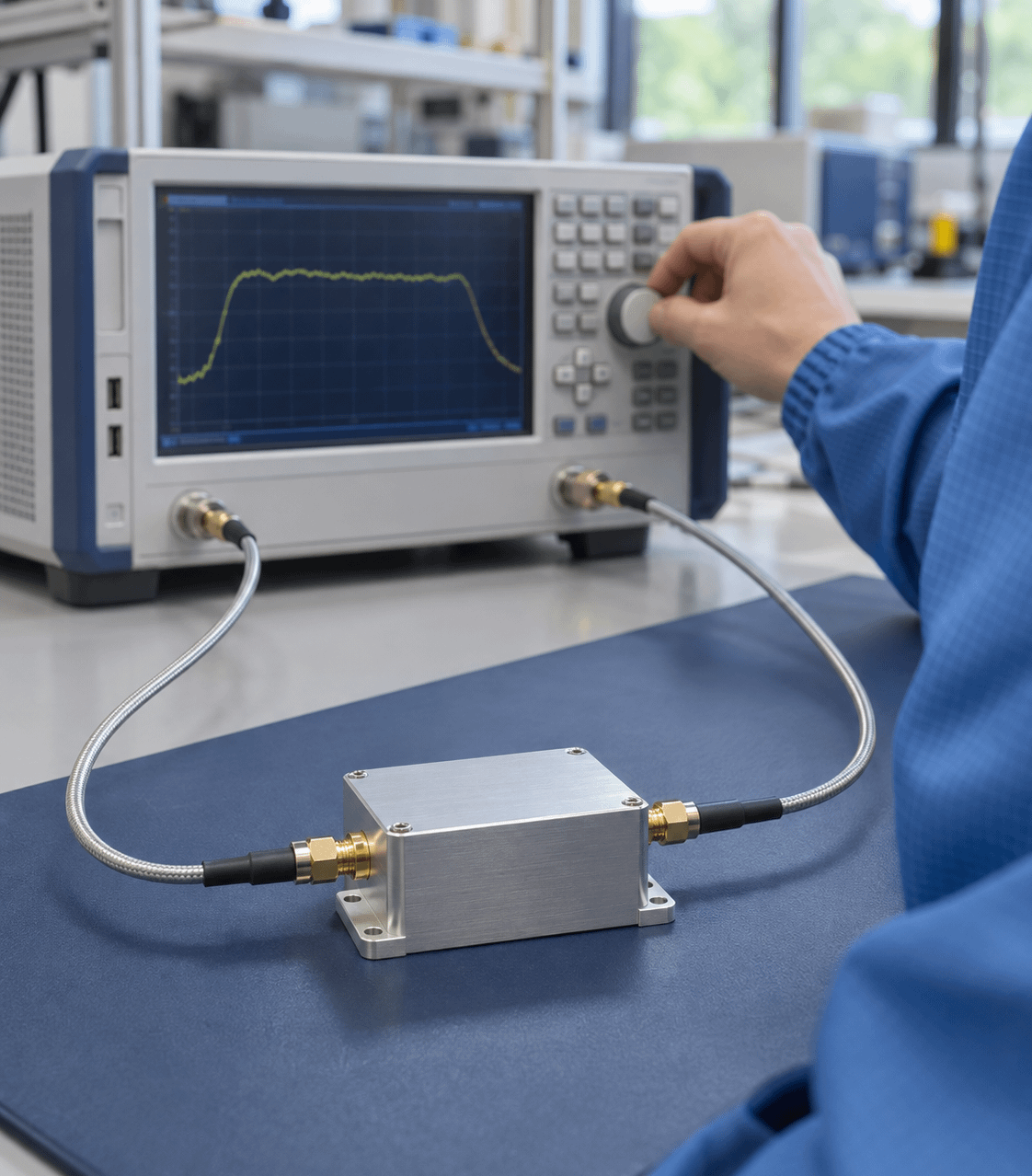
Filtered GPS LNA qualification and screening should reflect the mission’s environment, receiver requirements, and reliability goals. The 312 series has been tested to selected MIL-STD-810 and MIL-STD-461 requirements, providing a basis for reviewing environmental and EMI performance. Spectrum Control works with customers to identify additional testing and documentation needed for the selected configuration and space application.
-
Electrical Verification: Review gain, noise figure, rejection, and impedance matching.
-
Environmental Testing: Assess published test conditions against mission requirements.
-
EMI Performance: Review applicable emissions and susceptibility testing.
-
Qualification Planning: Define additional screening, acceptance criteria, and documentation.
Space Applications. Proven Expertise.
Typical Applications
-
Spacecraft GPS receiver front ends
-
LEO satellite navigation
-
Onboard position and velocity sensing
-
Precision orbit determination
-
GPS-based timing systems
-
Launch vehicle navigation
-
Multiband GPS receiver systems
-
Navigation payload testing
Why Choose Spectrum Control?
-
Integrated filtering and amplification
-
Low noise receiver performance
-
Ceramic preselection filter expertise
-
Configurable GPS band combinations
-
Multiple gain and output options
-
Flexible bias and connector choices
-
Compact hermetic package options
-
Application-specific engineering review
Discuss Your GPS LNA Requirements
Tell us about your GPS bands, required gain, supply voltage, bias method, output configuration, and connector preference. Include available mission details and screening or qualification requirements so our engineering team can help identify a suitable filtered GPS LNA configuration.