
AEROSPACE + DEFENSE / SPACE / SPACE SOLUTIONS
SMT Chip Attenuators for Space
Spectrum Control’s Powerfilm SMT chip attenuators provide fixed RF signal reduction in compact packages for space electronics, including communications payloads, receivers, converters, and phased arrays. These components combine stable attenuation and low VSWR with substrate and termination options that support electrical, thermal, and assembly requirements.
Standard and fractional attenuation values help engineers balance signal levels, while low VSWR helps reduce mismatch effects while conserving board space. We work with customers to select suitable designs, evaluate power dissipation and integration needs, and review screening and qualification requirements for each space application.
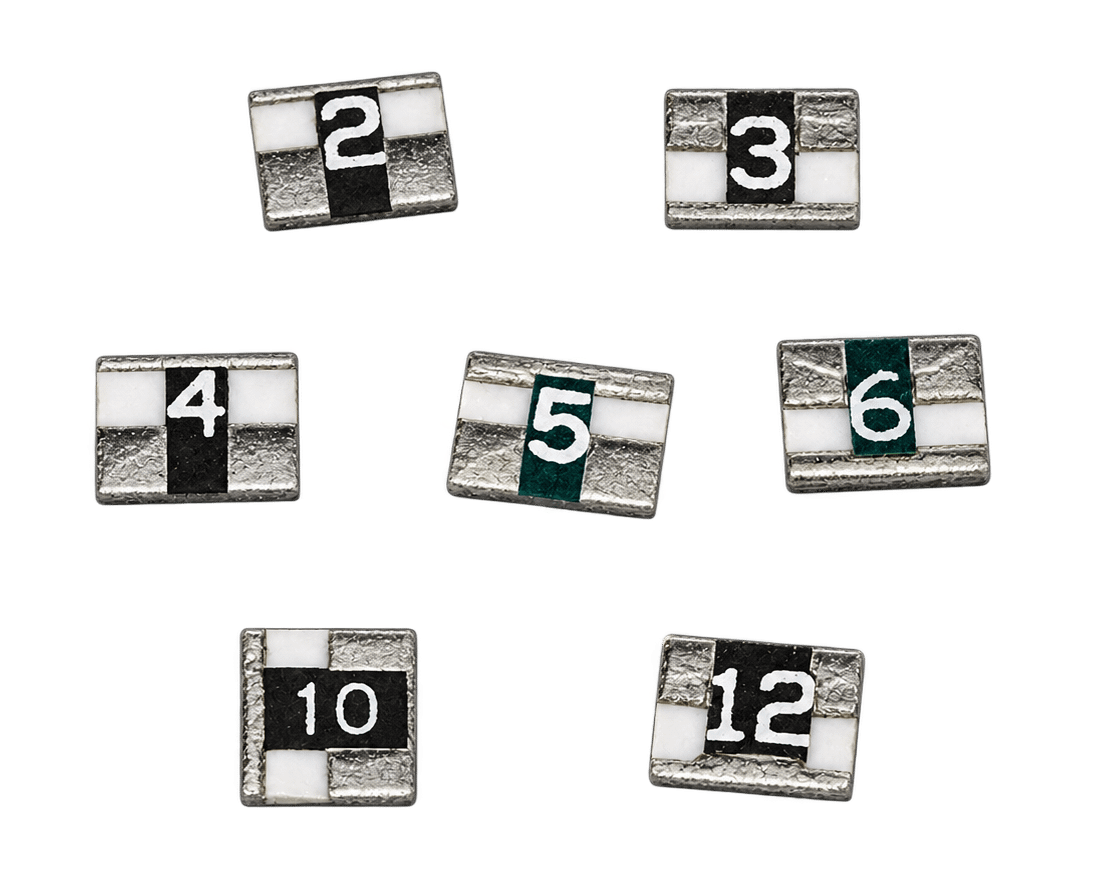
Capabilities at a Glance
-
Compact SMT Packages: Conserve board space in RF assemblies.
-
Attenuation Options: Standard and fractional dB values.
-
Low VSWR: Limit reflections within the signal path.
-
Stable Performance: Maintain attenuation across operating conditions.
-
Substrate Choices: Alumina, aluminum nitride, and BeO options.
-
Termination Options: Match grounding and assembly requirements.

Designed for Space Applications
Space RF assemblies must maintain controlled signal levels within tight board space, power, and thermal constraints. Spectrum Control’s Powerfilm SMT chip attenuators help engineers balance attenuation, impedance matching, and integration needs in compact RF circuits. Selecting the appropriate substrate, termination, and mounting approach supports heat dissipation and electrical performance, with screening and qualification requirements reviewed for each mission.
 Control Signal Levels: Set attenuation for each RF path.
Limit Reflections: Reduce mismatch with low VSWR.
Maintain Attenuation Flatness: Minimize attenuation variation across the band.
Conserve Board Space: Integrate compact SMT components.
Manage Heat: Match substrate and mounting to power requirements.
Support Mission Needs: Review design and screening requirements.
Key Performance
|
Feature
|
Specification |
| Frequency Coverage | Up to 40 GHz |
| Attenuation Flatness | As tight as ±0.3 dB |
| VSWR | As low as 1.1:1 |
| Power Handling | Up to 2 W |
| Operating Temperature | −55°C to +150°C |
| Published capabilities vary by model and operating conditions. Values may not be available together in one design. Space suitability and qualification requirements are reviewed for each application. | |
Product Options & Customization
Spectrum Control offers Powerfilm SMT chip attenuators with options to match RF performance, board layout, and thermal requirements. We help engineers select attenuation values, substrates, and terminations, with custom requirements and space screening needs reviewed for each application.
| Option | Available Capabilities |
| Attenuation Value | Select standard or fractional dB values to meet signal-level requirements. |
| Frequency Coverage | Match operating bandwidth and attenuation flatness to the RF path. |
| Power Handling | Review power dissipation, mounting conditions, and thermal derating. |
| Impedance Matching | Select VSWR performance to limit signal reflections. |
| Substrate Material | Explore alumina, aluminum nitride, and BeO for electrical and thermal needs. |
| Package & Footprint | Select chip dimensions compatible with board space and layout. |
| Terminations & Finishes | Review grounding configurations and finish options for the assembly process. |
| Cryogenic & Low-Temperature | Explore chip attenuators for cooled RF circuits, with thermal and qualification requirements reviewed for each application. |
| Screening & Documentation | Define required screening, electrical test data, and program documentation. |
|
Available options and combinations depend on the selected design and are confirmed through engineering review. |
|
Qualification & Screening

Qualification and screening for space-bound SMT chip attenuators should reflect the mission environment, assembly process, and reliability requirements. Spectrum Control works with customers to review the selected design, define electrical and environmental testing needs, and establish documentation requirements for each application.
- Mission-Specific Screening: Define testing around operating conditions and program needs.
- Electrical Verification: Specify attenuation, flatness, and VSWR checks across the required band.
- Thermal & Assembly Review: Evaluate temperature limits, power derating, and mounting compatibility.
- Qualification Planning: Establish test methods, acceptance criteria, and documentation early.
Space Applications. Proven Expertise.
Typical Applications
-
Satellite payload signal leveling
- Receiver gain balancing
- Upconverter and downconverter circuits
- Phased array signal distribution
- RF switching networks
- Telemetry signal-level control
- Scientific instrument RF circuits
- Cryogenic RF signal paths
Why Choose Spectrum Control?
- Powerfilm resistive component expertise
- Compact SMT integration
- Flexible signal-level selection
- Multiple substrate options
- Flexible termination configurations
- Thermal selection guidance
- Custom design review
- Application engineering support
Discuss Your SMT Attenuator Requirements
Tell us about your attenuation value, operating frequency, power dissipation, substrate performance, and board footprint. Include available mission details and screen or qualification requirements so our engineering team can help identify a suitable chip attenuator solution.